What is Aluminum Body Motor and Its Benefits for Buyers?
The Aluminum Body Motor is revolutionizing the automotive industry. This innovative engineering solution combines lightweight materials with robust functionality. Car manufacturers are increasingly adopting aluminum bodies in their electric vehicles and traditional cars alike.
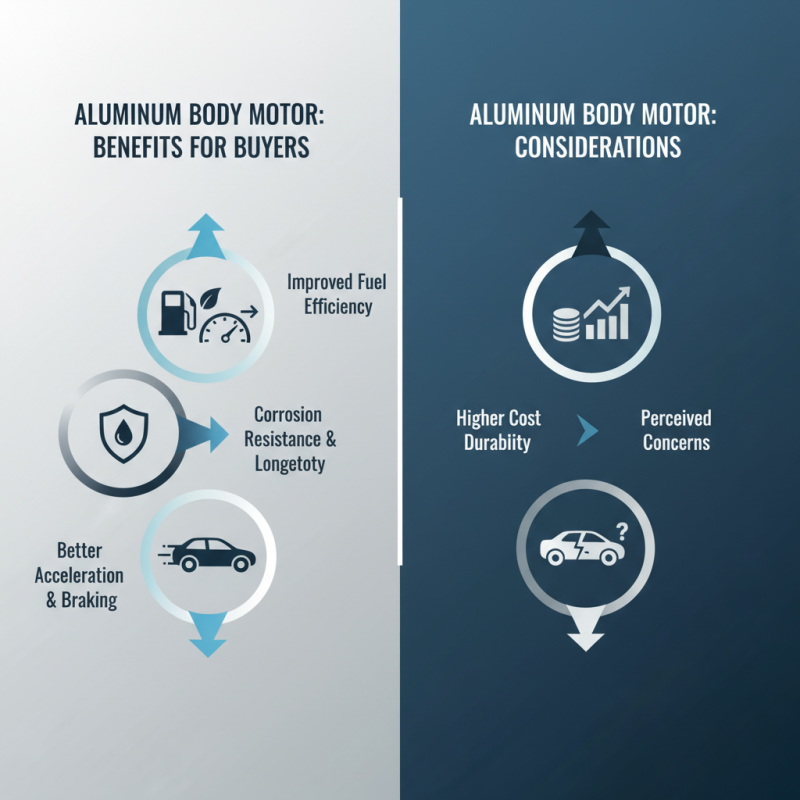
Buyers benefit significantly from the Aluminum Body Motor. It leads to better fuel efficiency and enhanced performance. Additionally, aluminum offers excellent corrosion resistance, which can extend the vehicle's lifespan. The weight reduction improves acceleration and braking, making for a smoother drive.
Despite its advantages, consumers should consider some drawbacks. For example, aluminum can be more expensive than steel. Some may question its durability in high-impact situations. Understanding these points is essential for making informed decisions about the Aluminum Body Motor.
What is an Aluminum Body Motor?
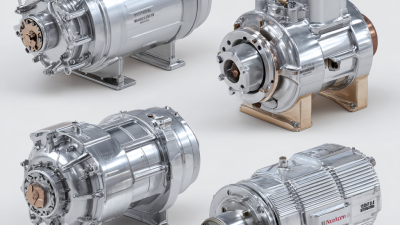
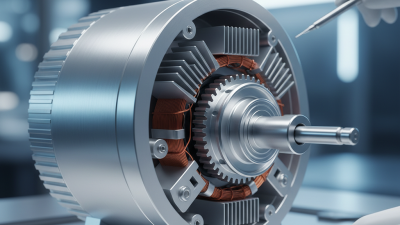
Aluminum body motors represent a significant advancement in motor manufacturing. These motors utilize aluminum in their outer construction, which contributes to lighter weight and improved efficiency. According to industry reports, aluminum can reduce the weight of motors by approximately 30% compared to traditional steel bodies. This weight reduction has notable implications for transportation and energy consumption.
The use of aluminum not only enhances performance but also improves thermal management. Aluminum dissipates heat more effectively than many materials. This capability potentially extends the motor's lifespan and reliability, crucial factors for buyers. Additional research indicates that motors with aluminum bodies can achieve up to a 15% increase in energy efficiency, driving down operational costs.
However, there are downsides to consider. Aluminum is less durable than steel and can be more susceptible to deformation under extreme conditions. Some manufacturers report that while these motors perform well in controlled environments, their longevity in harsher settings remains questionable. Buyers should weigh these factors when choosing aluminum body motors, ensuring they align with their operational needs.
Aluminum Body Motors: Features and Benefits for Buyers
This chart illustrates the benefits of Aluminum Body Motors across five key dimensions. Each dimension is rated on a scale from 1 to 10, indicating its overall performance or advantage. The highest ratings are in Corrosion Resistance and Durability, making Aluminum Body Motors an appealing choice for buyers.
Key Features of Aluminum Body Motors
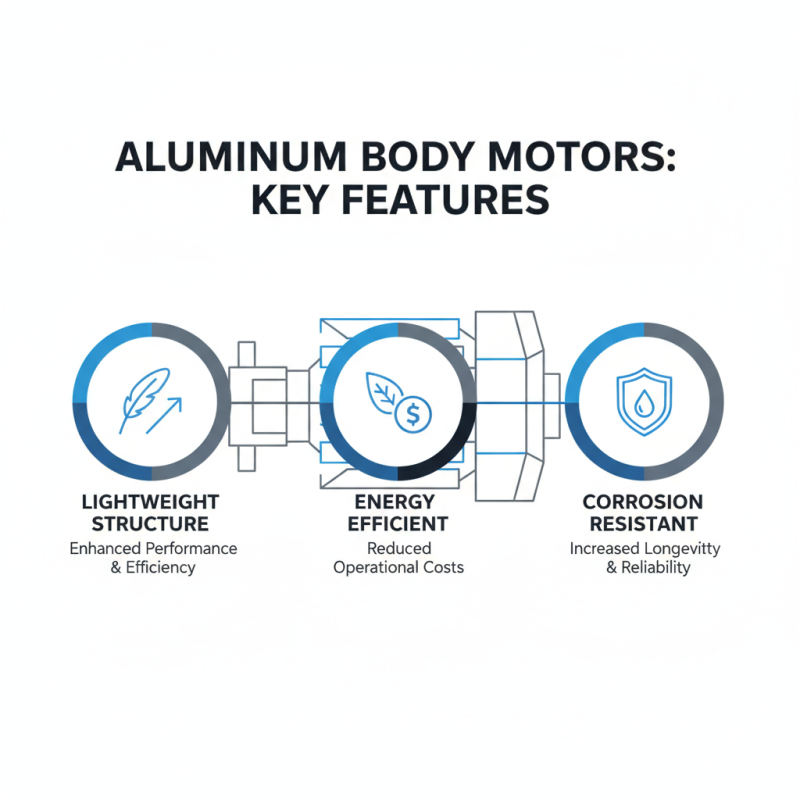
Aluminum body motors are gaining popularity in various applications due to their unique features. One of the most significant advantages is their lightweight structure. This reduction in weight not only enhances performance but also increases overall efficiency. Users often appreciate how this leads to lower energy consumption, reducing operational costs over time. Additionally, aluminum naturally resists corrosion, ensuring longevity and reliable performance.
Another key feature of aluminum body motors is their excellent thermal conductivity. This helps dissipate heat more effectively during operation. As motors run cooler, they tend to have a longer lifespan. This characteristic is particularly beneficial for high-demand environments where reliability is crucial. However, it is essential to consider that aluminum’s strength may not meet all industrial requirements. In some cases, a composite construction could be more suitable.
Maintenance is also simpler with aluminum body motors. The durable exterior reduces the need for frequent upkeep. Users can save time and resources. Yet, finding the right motor for specific applications may require careful analysis. Different designs and configurations exist, which could impact the performance in unexpected ways. This complexity necessitates thorough research before making a decision.
Advantages of Aluminum Body Motors for Buyers
Aluminum body motors are becoming increasingly popular in various industries. Their lightweight nature significantly reduces vehicle weight, enhancing fuel efficiency. A report from the International Aluminum Institute highlights that vehicles made with aluminum can be up to 50% lighter than traditional materials. This weight reduction often leads to improved performance on the road.
Another benefit is the durability of aluminum. It offers excellent resistance to corrosion, which can extend the lifespan of motors. According to a study by the American Society for Testing and Materials, aluminum components can last 30% longer than those made from steel in harsh environments. This longevity decreases maintenance costs, making it an attractive option for buyers looking for efficiency and reliability.
However, the initial cost of aluminum components can be higher. This might deter some buyers, particularly when budgets are tight. It raises questions about balancing upfront investment and long-term savings. Despite these challenges, the overall benefits of aluminum in motor applications present a promising equation for future technologies. The shift toward aluminum is evident, as many OEMs recognize its value in modern vehicles.
Comparative Analysis: Aluminum vs. Traditional Materials
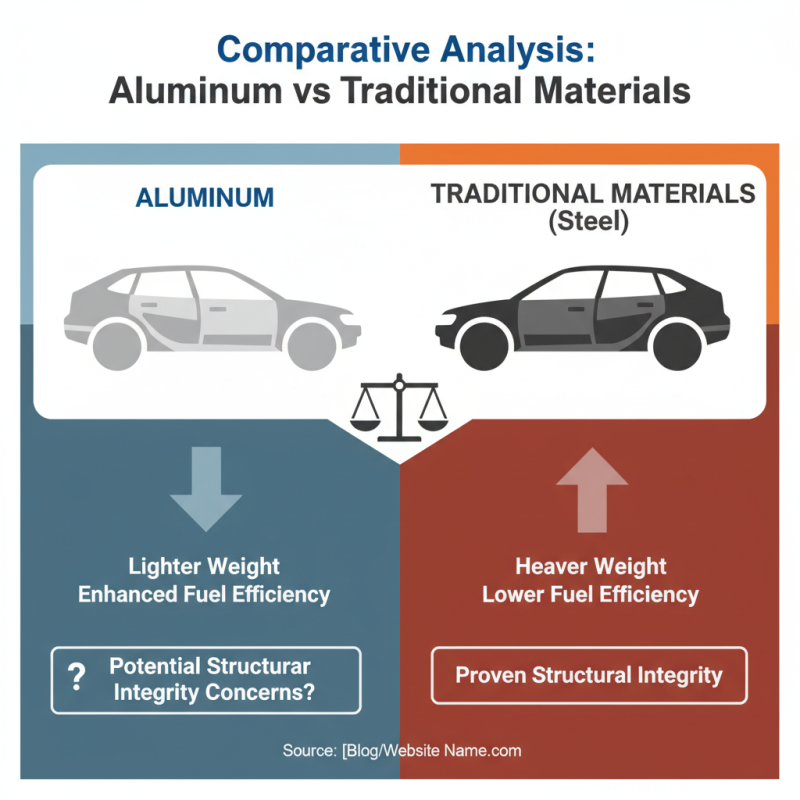
When considering materials for motor body construction, aluminum stands out in numerous ways. Unlike traditional steel, aluminum is lighter, making it a prime choice for automotive manufacturing. This lightweight property enhances fuel efficiency, allowing vehicles to consume less energy. However, some may argue that the lower density of aluminum could impact structural integrity.
Another crucial aspect to consider is corrosion resistance. Aluminum naturally forms a protective oxide layer, resulting in greater longevity compared to traditional materials. This means less maintenance and repairs over time, presenting cost savings for buyers. Yet, some users express concerns about denting more easily than steel, requiring careful handling.
From an aesthetic standpoint, aluminum can be molded into intricate designs. This flexibility in manufacturing leads to better styling options for vehicles. However, the initial cost of aluminum may deter some buyers, who might prefer the upfront savings of traditional materials. It’s essential to weigh these factors carefully, pondering the long-term benefits versus immediate costs.
Future Trends in Aluminum Body Motors and Their Impact on Consumers
The future of aluminum body motors is shifting rapidly. As technology evolves, manufacturers are focusing on lightweight materials. Aluminum offers excellent strength-to-weight ratios, making vehicles more efficient. This innovation drives down energy consumption, enhancing performance. Consumers are already noticing increased mileage and reduced emissions in vehicles featuring aluminum structures.
However, challenges still exist. The cost of aluminum can be higher than traditional materials. This could limit production in some regions. Consumers may face higher upfront costs. Nonetheless, the long-term savings on fuel and maintenance can offset this initial expense. Many buyers are willing to invest in these vehicles, recognizing their environmental benefits.
There is also a growing interest in sustainable manufacturing processes. As consumers become more eco-conscious, the demand for greener alternatives increases. Manufacturers are responding by developing techniques that minimize waste and energy use. Yet, not all companies are transparent about their practices. This lack of clarity can lead to skepticism among consumers. They must remain informed to make responsible choices.