How to Choose Waterjet Cutting Machinery for Your Project?
Choosing the right waterjet cutting machinery for your project can be overwhelming. With so many options available, it’s easy to feel unsure about what will work best. Understanding your specific needs is essential. Different projects require different types of machinery. Some applications may need high precision, while others prioritize speed and efficiency.
Before making a decision, consider factors like material type and thickness. Each type of waterjet cutting machinery has its strengths and limitations. For example, while an ultra-high-pressure system may offer better precision, it can also be more expensive to operate. Think about your budget and long-term needs. Reflect on whether the machinery can scale with your projects in the future.
Don’t rush the decision. Analyze your requirements carefully. Read reviews, seek expert advice, and look for demonstrations if possible. You may discover features you hadn’t considered before. Selecting the right machinery is crucial for the success of your projects. Be willing to learn and adapt your choices as needed.
Understanding Waterjet Cutting Technology and Its Applications
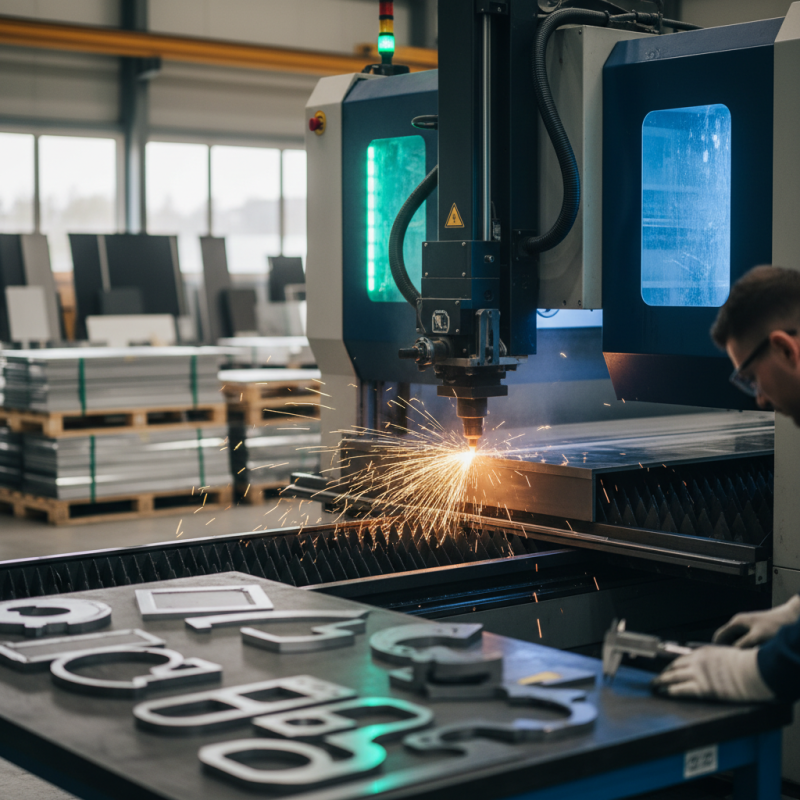
Waterjet cutting technology has revolutionized the manufacturing sector. It uses high-pressure water to slice through various materials. This method is versatile and efficient, making it suitable for industries like aerospace, automotive, and architecture. A recent industry report shows that the waterjet cutting market is projected to grow at a CAGR of 6.5% from 2021 to 2026. This indicates a rising demand for this technology.
Applications of waterjet cutting range from intricate designs in metal to delicate patterns in glass. It can cut materials up to 12 inches thick. The precision it offers is impressive. However, some users may overlook the associated costs, such as maintenance and energy consumption. These factors can add up quickly and impact the overall project budget.
Another aspect to consider is the skill level required. Not all operators are equally skilled. Poor operation can lead to inaccuracies and wasted materials. This underscores the importance of proper training and experience. Investing in quality training may initially seem costly, but it pays off in reduced waste and higher accuracy in the long run.
Evaluating Project Requirements for Waterjet Cutting Machinery
When evaluating project requirements for waterjet cutting machinery, it’s essential to consider various factors. The type of materials you'll cut is crucial. Hard materials need more powerful machines. Soft materials may not require that level of power. Understand the thickness of the materials as well. This affects the type of waterjet you should choose.
Tips: Start by listing the materials. Identify the thickness ranges you'll be working with. This helps narrow down your options significantly.
Consider the complexity of your designs too. Intricate cuts need highly precise machines. More straightforward designs can work with basic models. Reflect on your project timeline as well. Some waterjet cutters operate faster than others. This might impact your overall delivery schedule.
Tips: Always ask about the technology used in the machine. Research cutting speeds and precision. It might save you from unexpected delays.
Key Features to Consider When Selecting Waterjet Cutting Equipment
When selecting waterjet cutting machinery, several key features demand attention. The operating pressure is crucial. Higher pressures can cut through thicker materials more efficiently. For instance, systems operating at 60,000 psi can process materials up to 10 inches thick. However, with increasing pressure, maintenance needs also rise. Operators must weigh these factors carefully.
Another vital aspect is the cutting head design. Advanced designs enhance precision and reduce waste. Multi-axis cutting heads can create complex shapes without losing accuracy. Data shows that machines with improved cutting heads may increase production rates by 30%. Yet, the initial investment in such technology can be significant.
Material compatibility is equally important. Waterjet systems can cut an array of materials, from metals to glass. Understanding the right nozzle and abrasive material for specific applications is key. A misstep here could lead to poor cutting quality and excess material costs. Regularly reviewing industry reports on material performance can shine a light on the best choices currently available, but the fast-paced nature of innovation often leaves many options untested.
Comparing Different Waterjet Cutting Machines and Technologies
Choosing the right waterjet cutting machine is crucial for your project. Different technologies offer unique benefits and drawbacks. For instance, pure waterjet cutting is great for softer materials, while abrasive waterjets excel with harder substances. Consider the type of materials you will work with.
Tips: Determine your material hardness before choosing a machine. This foundational understanding can save you time and costs in the long run.
Waterjet machines also vary in size and pressure capabilities. Higher pressures provide faster cutting speeds but may require more maintenance. Larger machines often handle bigger projects but could take up more space in your facility. Be prepared for some trade-offs based on your workspace and project needs.
Tips: Always evaluate your space constraints. A large machine might seem appealing but can impact overall efficiency if it doesn’t fit well.
Compare options carefully. Some machines may offer additional features like automatic height adjustment, which can enhance precision. However, more features could also mean a steeper learning curve. Consider the operator's experience when making your choice. It’s essential to find a balance between advanced capabilities and usability.
Comparison of Waterjet Cutting Technologies
Budgeting and Cost Considerations for Waterjet Cutting Solutions
When budgeting for waterjet cutting machinery, it’s essential to assess your project needs accurately. The cost can be influenced by factors like material type and thickness. Different projects may require different levels of precision. Plus, consider the long-term operational costs, including maintenance and consumables.
**Tips:** Research total cost of ownership. This includes the initial purchase price and future expenses. Investing in quality machinery might mean higher upfront costs but can reduce maintenance issues later.
It’s also helpful to gather quotes from various suppliers. Prices can vary widely based on features and technology. Don't overlook hidden costs. For example, training staff to use the equipment can be a significant expense.
**Tips:** Ask about warranties and service plans. A good warranty can save you money on unexpected repairs. Evaluate the supplier’s support options as well; this can significantly affect your operational efficiency.
How to Choose Waterjet Cutting Machinery for Your Project? - Budgeting and Cost Considerations for Waterjet Cutting Solutions
| Feature | Entry Level | Mid Range | High End |
| Cutting Speed (in/min) | 30 | 60 | 100 |
| Max Material Thickness (in) | 2 | 4 | 8+ |
| Average Cost ($) | $50,000 | $100,000 | $200,000+ |
| Precision (Tolerance in mm) | +/- 0.5 | +/- 0.2 | +/- 0.1 |
| Maintenance Cost per Year ($) | $2,000 | $4,000 | $8,000 |