How to Choose the Right Exhaust Fan Motor for Your Needs?
Choosing the right exhaust fan motor is crucial for optimal ventilation and air quality in any space. An appropriate exhaust fan motor can significantly enhance the efficiency of your ventilation system. Consider factors such as motor type, power requirements, and noise levels when making your decision.
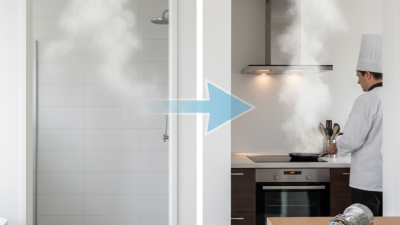
Different applications may require distinct characteristics from your exhaust fan motor. For instance, a commercial kitchen might need a more robust motor due to heavy usage, while a bathroom may only require a quieter, less powerful option. It is essential to evaluate the specific needs of your environment to avoid common pitfalls.
Ensuring that you select the best exhaust fan motor can seem overwhelming, but doing thorough research helps. Consulting with professionals can provide valuable insights. Ultimately, a well-chosen motor can boost energy efficiency and indoor air quality, paying dividends in the long run. Reflecting on these aspects will help you make an informed choice.
Understanding Exhaust Fan Motors: Types and Functions
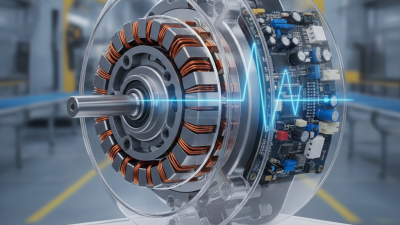
Exhaust fan motors play a crucial role in various applications, from residential kitchens to large industrial spaces. These motors can be categorized into two main types: AC and DC motors.
AC motors are typically more powerful and commonly found in large exhaust systems. According to industry reports, about 70% of commercial exhaust fans use AC motors due to their efficiency in handling higher loads.
In contrast, DC motors are becoming popular for small to medium-sized fans. They are known for their energy efficiency, often consuming up to 60% less energy compared to AC models. This aspect is particularly appealing in regions where energy costs are rising. However, one must note that DC motors might be more expensive initially. Careful consideration of long-term savings is essential before making a choice.
Another factor to reflect on is the noise level. While most motors operate at a standard decibel level, some high-performance models generate noticeable noise. A study revealed that noise can impact indoor air quality and occupant comfort. Choosing a quiet model can enhance user satisfaction. Weighing the benefits and limitations of each type can lead to more informed decisions in selecting an exhaust fan motor that meets specific needs.
Evaluating Your Space Requirements for Exhaust Fan Installation
When considering the installation of an exhaust fan, assessing your space requirements is crucial. Different environments require varying airflow capacities. A small bathroom may need a fan with lower CFM (cubic feet per minute). However, a large kitchen demands higher CFM to effectively expel heat and odors. Each room’s size influences the choice of motor.
Location impacts how you install the fan. In kitchens, moisture is a concern. Fans must withstand humid conditions. This could affect motor longevity. For basements, ventilation is key. An adequate exhaust fan can prevent mold growth. However, too strong of a fan may lead to drafts, which can make a space uncomfortable.
Consider the mounting area as well. Wall-mounted fans require different specifications than ceiling-mounted models. Placement matters in relation to other appliances and furniture. Poor positioning can block airflow, reducing efficiency. It's essential to plan the installation carefully, reflecting on both current and future needs. Understanding these nuances helps in selecting the right exhaust fan motor.
Key Specifications to Consider in Exhaust Fan Motors
When selecting an exhaust fan motor, understanding key specifications is crucial for optimal performance. The motor's power rating, usually between 1/10 to 1 HP, determines how effectively it can exhaust air. According to industry studies, larger spaces require motors with higher wattage. A motor that’s too weak will struggle, causing inefficient air movement.
Efficiency is another vital factor. The motor's efficiency rating impacts energy usage significantly. Data suggests that high-efficiency motors can reduce energy costs by up to 30%. Noise level is often overlooked, yet it plays a role in comfort. Most residential exhaust fan motors operate around 50-70 dB. If noise is a concern, look for models specifically designed for quieter operation.
**Tip**: Always check the airflow rating (CFM). Ensure it matches the intended application. Inadequate airflow can lead to air quality issues. Additionally, consider the duty cycle. Some motors are designed for continuous use, while others are more suited for intermittent operation. Reflect on your needs, as the wrong choice can lead to frequent repairs or replacements.
Assessing Energy Efficiency and Noise Levels in Motors
Choosing the right exhaust fan motor hinges on energy efficiency and noise levels. Energy-efficient motors conserve electricity and lower operational costs. Look for models with high-efficiency ratings. They might be more expensive initially but can save money over time.
Noise levels are crucial in residential and commercial settings. A quiet motor enhances comfort. When selecting a motor, check the decibel (dB) rating. A lower dB signifies a quieter operation. Fans with multi-speed settings can also reduce noise when used at lower settings.
**Tips:**
- Explore options that feature sound insulation.
- Review user testimonials for real-world noise experiences.
- Consider the motor's installation impact on acoustics of the space.
Assessing both energy efficiency and noise can be challenging. Not all specifications tell the whole story. Testing in different environments may be necessary. This is especially true for areas where quiet operation is vital.
How to Choose the Right Exhaust Fan Motor for Your Needs?
| Motor Type |
Power Rating (HP) |
Energy Efficiency (%) |
Noise Level (dB) |
Ideal Use Case |
| AC Motor |
1.0 |
85 |
70 |
Residential Kitchen |
| DC Motor |
0.5 |
90 |
50 |
Office Spaces |
| EC Motor |
0.75 |
95 |
40 |
Commercial Areas |
| Universal Motor |
1.5 |
80 |
75 |
Industrial Applications |
| Single Phase Motor |
1.0 |
82 |
65 |
Household Fans |
Maintenance Tips for Optimal Performance of Exhaust Fan Motors
Maintaining exhaust fan motors is crucial for their longevity and efficiency. Regular cleaning can greatly impact performance. Dust and debris can accumulate on the blades and motor, reducing airflow. Ensure your fan is powered down before cleaning. Use a soft cloth or a vacuum to remove dirt. This simple step can make a significant difference.
Check the electrical connections periodically. Loose connections can lead to overheating, which may damage the motor. Tighten any loose wires you find. It’s also wise to inspect for unusual noises. If your motor is louder than usual, it could indicate wear. Addressing these signs early can prevent major breakdowns.
Lubrication is another key maintenance aspect. Some motors have sealed bearings that don't require oil. However, others benefit from occasional grease. Follow manufacturer guidelines for lubrication schedules. Neglecting this can lead to increased friction and shorter motor life. Regular maintenance practices help ensure your exhaust fan operates efficiently and reliably.