Exhaust Fan Motor Tips for Efficient Performance and Longevity?
In the world of HVAC systems, the performance of an Exhaust Fan Motor is crucial for maintaining optimal air quality. Renowned industry expert, Dr. Emily Carter, emphasizes, “A well-maintained motor is the key to efficiency and longevity.” This insight highlights the importance of focusing on maintenance practices to extend the life of an Exhaust Fan Motor.
When installed correctly, exhaust fan motors significantly reduce moisture and odors in various environments. However, many users overlook simple maintenance checks. Neglecting these tasks can lead to inefficiencies and unnecessary replacements. Regular inspections can save both time and money, yet they are often pushed aside.
The journey towards efficient performance starts with understanding your exhaust fan motor. Knowing how to troubleshoot minor issues is vital. For instance, unusual noises or reduced airflow may indicate wear or damage. Addressing such concerns early can prevent costly repairs. A proactive approach, grounded in expertise and awareness, cultivates reliability in your ventilation systems.
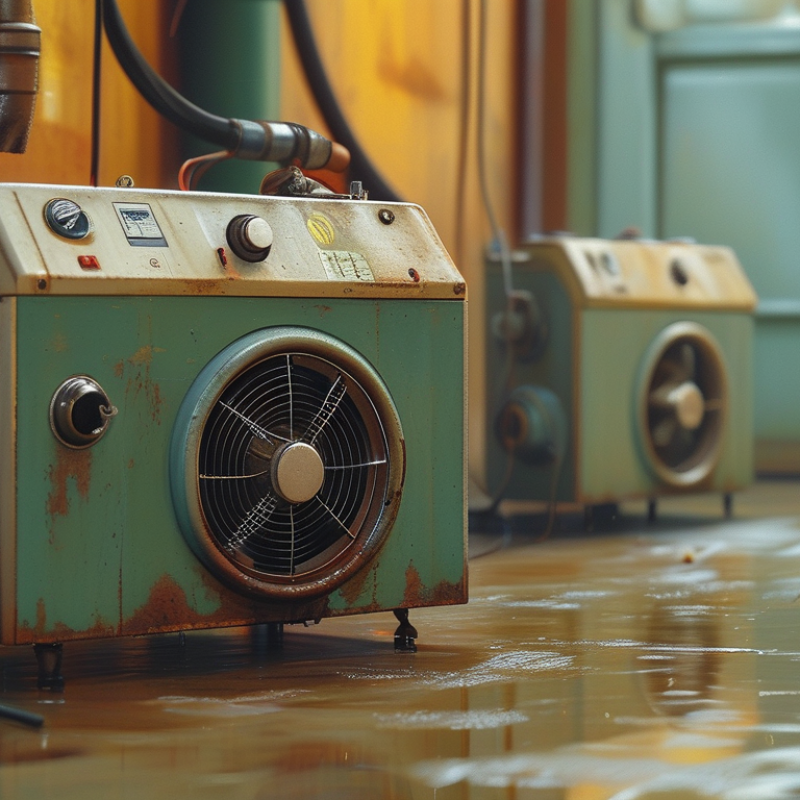
Understanding Exhaust Fan Motors and Their Importance
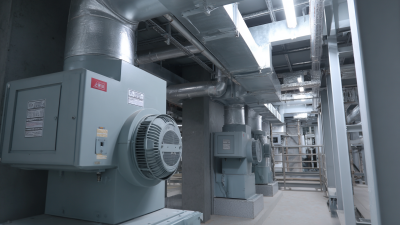
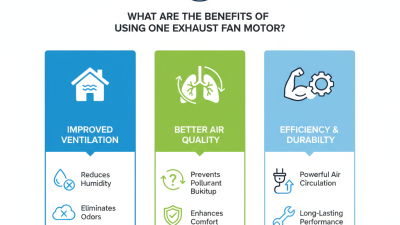
Exhaust fan motors play a crucial role in maintaining air quality within homes and commercial spaces. These motors help eliminate stale air, moisture, and odors. Understanding their importance is essential for anyone looking to ensure a healthy indoor environment. When properly functioning, these motors can significantly reduce humidity levels, which is vital in areas like kitchens and bathrooms. Without them, unwanted moisture can lead to mold growth, which poses health risks.
Choosing the right exhaust fan motor requires careful consideration of several factors. You must assess the size of the space and the airflow needed. A motor that is too strong can create excessive noise, while one that is too weak may not effectively remove air. Regular maintenance is also crucial. Cleaning dust and debris can extend the motor's lifespan. Yet, many overlook this simple task, which can lead to decreased efficiency over time.
A common mistake is forgetting to check motor bearings for wear and tear. Ignoring this aspect can lead to complete motor failure. It's also important to note that not all installations are perfect. Some fans may be poorly positioned, reducing effectiveness. Seek professional advice or assistance when in doubt. Understanding the nuances of exhaust fan motors can help achieve optimal performance.
Factors Affecting the Efficiency of Exhaust Fan Motors
Exhaust fan motors are crucial for maintaining air quality in various environments. However, several factors can impact their efficiency and longevity. One major factor is the motor's power rating. According to the U.S. Department of Energy, a motor's efficiency can drop significantly when it's operated below its rated load. It is essential to select a motor that matches the exhaust system's requirements to avoid unnecessary energy losses.
Another factor is the installation environment. Dust and moisture can adversely affect motor performance. A report from the National Institute of Standards and Technology reveals that a cleaner installation environment can improve motor efficiency by up to 20%. Regular maintenance, including cleaning and checking for obstructions, can greatly enhance longevity.
When using exhaust fans, keep your blades clean and free of debris. Ventilation systems benefit from periodic inspections to ensure effective airflow. Consider the ambient temperature; excessive heat can stress the motor.
Understanding these aspects can help in selecting, installing, and maintaining exhaust fan motors. Addressing these factors contributes to better performance and increased durability over time.
Maintenance Tips for Extending the Lifespan of Exhaust Fan Motors
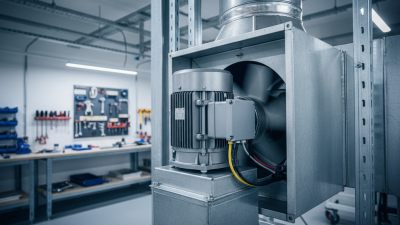
Regular maintenance is crucial for the longevity of exhaust fan motors. Dust and debris can accumulate in the motor, leading to overheating and failure. Cleaning the motor's exterior regularly can enhance air circulation. You can use a soft brush or vacuum to remove buildup. Regular inspections help identify issues early. Look for unusual noises or vibrations that may indicate problems. These signs shouldn't be ignored.
Lubrication is another key aspect. Ensure the motor's bearings are well-lubricated. This reduces friction and wear, contributing to a longer operational life. However, avoid over-lubricating, as this can cause grease to attract dust. It’s a delicate balance. You might find that the manufacturer’s guidelines provide a helpful reference for lubrication intervals.
Keep an eye on the temperature of the motor. If it runs hotter than usual, it might indicate trouble. Take time to reflect on the operating conditions. Ensure the fan is not blocked or overloaded, as this can strain the motor. Regular maintenance is a proactive approach to avoid costly repairs down the line.
Common Issues and Troubleshooting for Exhaust Fan Motors
Exhaust fan motors are crucial for efficient indoor air circulation. However, they can encounter common issues that affect performance. One frequent problem is abnormal noises. If your exhaust fan sounds like it’s grinding or squeaking, it could indicate worn bearings or loose components. Regular checks can help catch these issues early.
Another common issue is reduced airflow. Clogged filters may restrict air movement. Cleaning or replacing filters regularly can improve efficiency. Overheating is also a concern. Dust buildup on motor components may lead to increased heat. If you notice your exhaust fan shutting off unexpectedly, check for dust accumulation. Sometimes, these problems arise from improper installation.
Inadequate power supply can lead to motor malfunction. Ensure that the wiring is secure and matches the fan's voltage requirements. It may seem trivial, but often it is overlooked. Keeping a maintenance log can be beneficial to track these issues. Reflecting on your maintenance habits can reveal patterns and help prevent future complications.
Choosing the Right Exhaust Fan Motor for Your Needs
Choosing the right exhaust fan motor can significantly enhance efficiency and prolong lifespan. Start by assessing your specific needs. Consider the size of the area that requires ventilation. Larger spaces may need a more powerful motor, while smaller areas can operate with less force. Frequent use in a humid environment also demands durable motors.
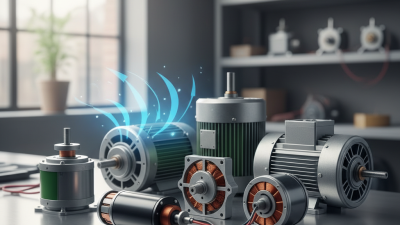
When selecting, evaluate the type of motor. Induction motors are common for household fans, offering reliability and simplicity. Brushless motors provide longer life and quieter operation, which may be worthwhile for sensitive environments. Another consideration is energy efficiency. An energy-efficient motor will help save electricity while providing optimal performance.
It's crucial to account for compatibility with existing ventilation systems. Sometimes, an ill-fitting motor can lead to inefficiency. Pay attention to noise levels, especially in residential settings. Investing a bit more in a quality motor may prevent future issues. Keeping these aspects in mind allows for a better decision, balancing cost and functionality.
Exhaust Fan Motor Tips for Efficient Performance and Longevity
| Feature |
Description |
Recommendation |
| Motor Type |
Induction motors are commonly used due to their reliability. |
Choose an induction motor for standard applications. |
| Power Rating |
Rated in horsepower or watts, affecting airflow capacity. |
Select a motor with a power rating suitable for your ventilation needs. |
| Efficiency |
Higher efficiency motors consume less electricity. |
Look for motors with high efficiency ratings to save energy. |
| Noise Level |
Measured in decibels; affects comfort during operation. |
Opt for quieter models to enhance user comfort. |
| Cooling Method |
Fan-assisted or external cooling help extend motor life. |
Choose a model with adequate cooling features for longevity. |
| Installation |
Proper installation is critical for performance. |
Follow manufacturer guidelines for optimal setup. |