Top Benefits of Inverter Motor for Energy Efficiency and Performance?
Inverter Motors have revolutionized the way we think about energy efficiency and performance. Utilizing advanced technology, these motors adjust their speed and torque dynamically. This flexibility leads to significant energy savings and improved overall function. Businesses and homeowners alike are embracing this innovative solution.
The benefits of Inverter Motors extend beyond mere energy savings. They offer enhanced reliability and longer operational life. Users often report smoother performance with less maintenance required. However, selecting the right inverter motor isn't always straightforward. There are various factors to consider, such as compatibility and application. It's essential to choose wisely to maximize the benefits.
Many may overlook the initial costs associated with Inverter Motors. While they may require a higher upfront investment, the long-term savings are substantial. Reflecting on energy costs and performance, these motors can indeed deliver significant value. Embracing Inverter Motors is more than a trend; it is about making smart choices for a sustainable future.
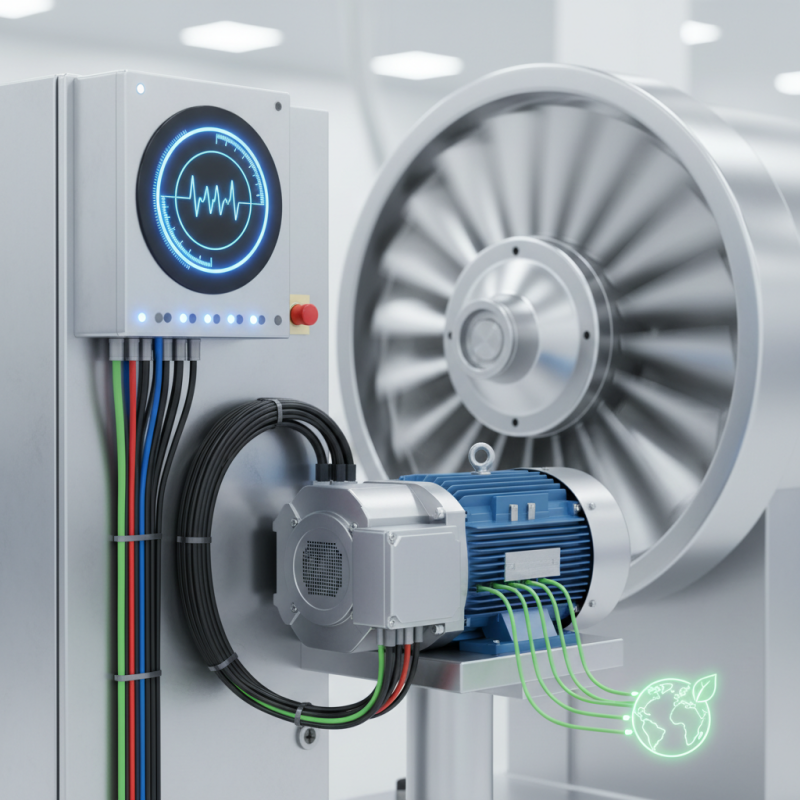
Key Features of Inverter Motors That Enhance Energy Efficiency
Inverter motors have gained much attention for their
energy efficiency and performance advantages.
One key feature is their ability to adjust speed based on demand. This flexibility leads to
significant energy savings. Reports indicate
that inverter motors can improve energy efficiency by up to 30%
compared to traditional motors. This statistic is critical as industries aim to reduce operational costs
and carbon footprints.
Another important aspect is the advanced control
technology in inverter motors. These motors utilize variable frequency drives (VFDs) that control motor
speeds precisely. For example, in HVAC systems, this control can
minimize energy use during low-demand periods. Studies show that implementing inverter motors in HVAC
can reduce energy consumption by 20-50%.
However, it's essential to consider that initial investment costs may be higher. This can lead to
hesitations for some businesses.
Moreover, the reliability of inverter motors is noteworthy. They tend to have a longer life span than
traditional motors. The reduced wear and tear from variable operations contribute to this longevity.
However, proper maintenance is still required. Inconsistent maintenance can lead to underperformance
and higher operational costs. Recognizing these nuances helps in making informed decisions about using
inverter motors in various applications.
How Inverter Motors Optimize Performance Across Various Applications
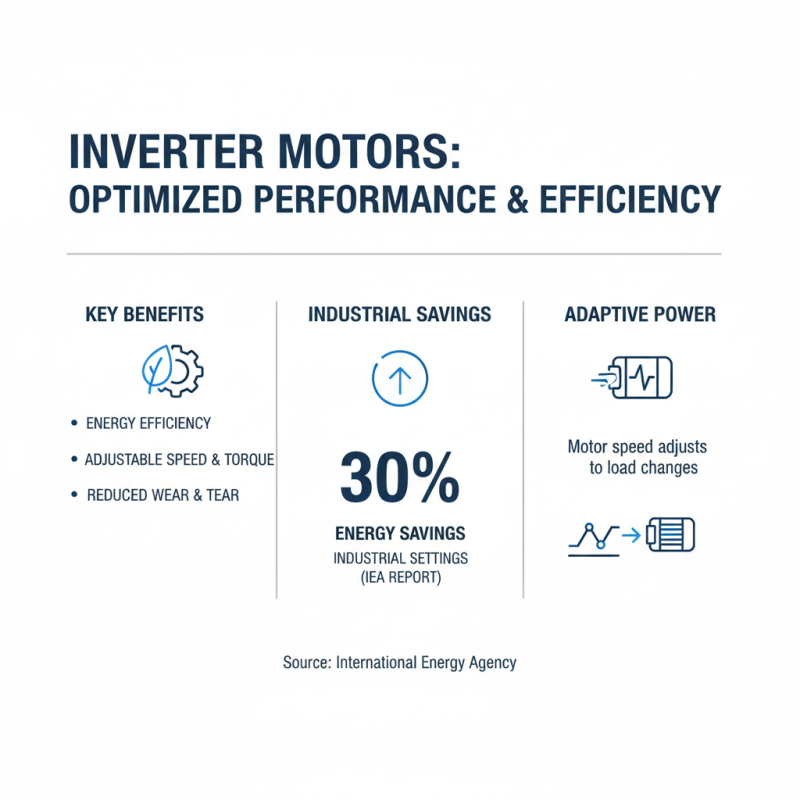
Inverter motors revolutionize performance in various applications, enhancing energy efficiency significantly. According to a report from the International Energy Agency, inverter technology can improve energy savings by up to 30% in industrial settings. This is primarily due to their ability to adjust motor speed and torque in response to load changes.
In residential applications, inverter motors adapt to varying demands, improving overall efficiency. A study from the Electric Efficiency Research Institute noted a 25% reduction in energy consumption for air conditioning systems with inverter-driven compressors. This adaptability not only lowers electricity bills but also extends equipment lifespan.
However, the implementation of inverter motors is not without challenges. Initial costs can be a barrier. Not all systems are compatible, which may require additional upgrades. Industry experts recommend conducting cost-benefit analyses before transitioning. Despite these concerns, the benefits of inverter motors in optimizing performance across diverse sectors are significant.
Comparative Analysis: Inverter Motors vs. Traditional Motors
Inverter motors represent a shift in efficiency compared to traditional motors. These motors use variable frequency drives, allowing them to adjust speed and torque dynamically. This adaptability leads directly to energy savings. Traditional motors often run at fixed speeds, wasting energy during low-demand periods. They struggle to operate efficiently below their rated capacity.
Moreover, inverter motors deliver improved performance in varying conditions. They can ramp up and down seamlessly, matching operational needs. In contrast, traditional motors may experience wear and tear from frequent starts and stops. This leads to higher maintenance costs over time. However, inverter motors require an upfront investment. The cost may deter some users despite long-term savings.
Both motor types have specific applications and pros and cons. Inverter motors excel in precision and efficiency. Yet, they may not always be necessary for simpler tasks where traditional motors suffice. Evaluation of individual needs is essential. Ignoring these details can lead to inefficiencies. The choice should align with both performance demands and operational efficiency.
Top Benefits of Inverter Motor for Energy Efficiency and Performance
This chart illustrates the energy efficiency comparison between Inverter Motors and Traditional Motors. Inverter Motors exhibit a significantly higher energy efficiency of 90%, while Traditional Motors offer a lower efficiency of 70%. This highlights the advantages of inverter technology in terms of performance and energy conservation.
Environmental Impact: The Role of Inverter Motors in Energy Conservation
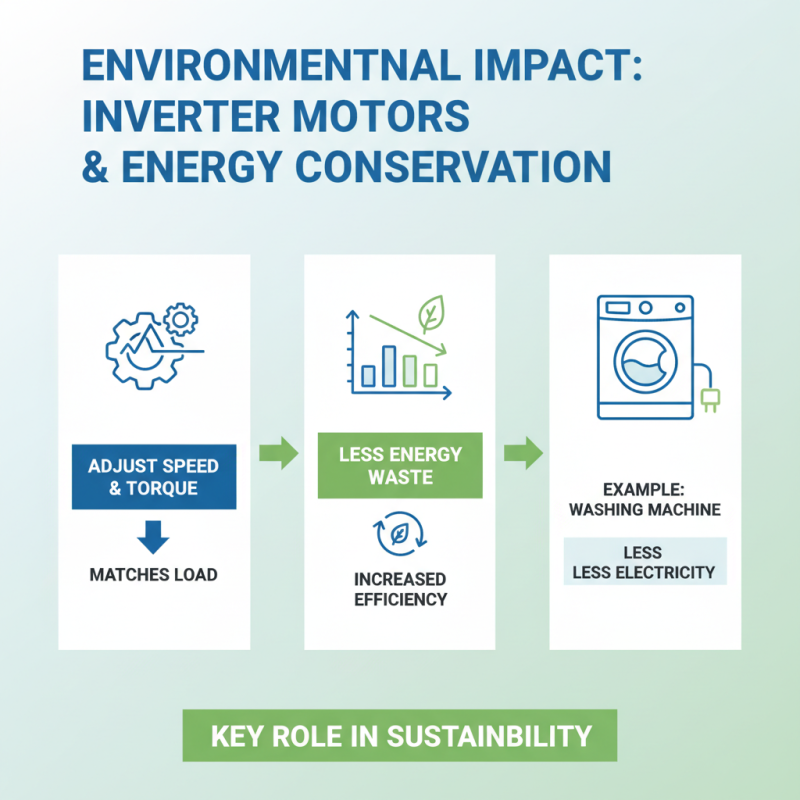
Inverter motors play a crucial role in energy conservation. They adjust their speed and torque to match the load. This adaptability leads to less energy waste. For instance, a washing machine using an inverter motor operates more efficiently. It consumes less electricity compared to traditional motors.
The environmental impact of these motors is significant. By using less energy, they reduce greenhouse gas emissions. Inverter motors also create less noise pollution, contributing to a quieter environment. Yet, it’s essential to recognize that not all applications benefit equally from inverter technology. In some cases, the initial cost might outweigh the benefits.
While inverter motors show promise, the technology still requires refinement. The efficiency gains can vary depending on conditions. Users must consider their specific needs. Awareness of the environmental benefits can lead to better decision-making regarding energy consumption. Ultimately, the adoption of inverter motors represents a step forward, but challenges remain.
Cost Savings: Long-Term Economic Benefits of Using Inverter Motors
Inverter motors stand out for their energy efficiency and exceptional performance. These motors dynamically adjust speeds based on load, leading to significant savings. Unlike traditional motors, they reduce energy bursts, which often drive up costs. This efficiency translates to lower utility bills over time.
Cost savings extend beyond energy consumption. Inverter motors have longer lifespans due to reduced wear and tear. They typically require less maintenance, minimizing unexpected repair costs. The initial investment might be higher, but this expense is often outweighed by long-term benefits.
However, the technology isn't perfect. Some users report learning curves with installation and operation. There are also occasional compatibility issues with existing systems. While inverter motors present many advantages, it’s essential to assess specific needs before committing. Thoughtful consideration can lead to better economic outcomes.
Top Benefits of Inverter Motor for Energy Efficiency and Performance
| Dimension |
Details |
| Energy Consumption |
Inverter motors can reduce energy consumption by up to 30-50% compared to traditional motors. |
| Maintenance Costs |
Lower maintenance costs due to fewer mechanical parts and reduced wear and tear. |
| Performance |
Improved performance with precise speed control and better torque management. |
| Lifetime |
Longer lifespan of 10-15 years, compared to 5-10 years for traditional motors. |
| Noise Level |
Quieter operation, typically 5-15 dB lower than standard motors. |
| Environmental Impact |
Reduced carbon footprint, contributing to sustainability efforts. |