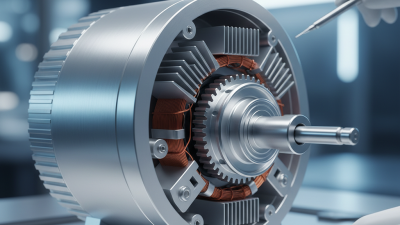
Top Tips for Choosing Aluminum Body Motors for Your Needs?
When selecting an Aluminum Body Motor, it’s essential to weigh various factors. According to a recent industry report by Research and Markets, the global aluminum motor market is projected to grow by 5.8% annually, reflecting an increasing demand for lightweight and efficient motors. Expert Dr. John Smith, a leading authority in motor engineering, emphasizes, "The right Aluminum Body Motor can significantly enhance performance while reducing overall weight."
Choosing the perfect Aluminum Body Motor can be complex. Factors such as size, efficiency, and thermal management should all be considered. For example, small variations in motor design can profoundly impact efficiency. Misjudgments in specifications have led buyers to underperforming motors in the past. This highlights the importance of thorough research before making a decision.
End-users should also explore manufacturer reputation. Well-established companies often provide better support and warranty options. However, new entrants might offer innovative features. Gauging trade-offs is critical. As trends in the industry evolve, practitioners must stay aware of technological advancements that could benefit their specific applications.
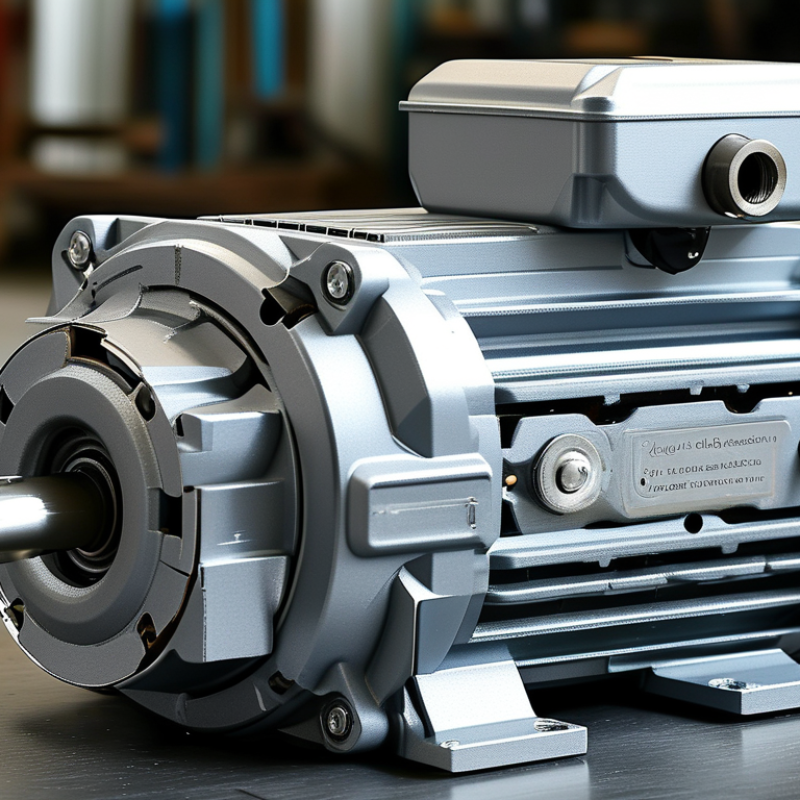
Understanding the Benefits of Aluminum Body Motors
Aluminum body motors are gaining popularity in various applications due to their numerous advantages. One significant benefit is weight reduction. Aluminum is about one-third the weight of steel, which translates to better fuel efficiency and performance in vehicles. A study by the Aluminum Association highlights that using aluminum in vehicle construction can reduce overall weight by up to 50%. This weight savings contributes to lower emissions and enhanced agility.
Another major advantage is resistance to corrosion. Aluminum is naturally resistant to rust, which means that motors with aluminum bodies are better suited for harsh environments. According to the International Aluminum Institute, aluminum's corrosion resistance can extend the lifespan of components, reducing replacement costs. In sectors like marine and automotive, this property is particularly crucial, as it ensures reliability and durability.
However, while aluminum has its merits, it's essential to acknowledge some challenges. The initial cost of aluminum can be higher than other materials. Additionally, professionals must consider the potential for galvanic corrosion when aluminum is in contact with other metals. This necessitates careful design choices to ensure compatibility and longevity. Balancing these factors can be a complex task, but the potential benefits often outweigh the drawbacks, making aluminum body motors a sound choice for many applications.
Key Specifications to Consider When Choosing Aluminum Motors
When selecting aluminum body motors, attention to key specifications is vital. One of the significant factors is weight. Aluminum motors are lighter than steel, offering better performance in many applications. A report published by the International Journal of Advanced Manufacturing Technology states that aluminum can reduce weight by up to 30% compared to traditional materials. This weight reduction enhances efficiency, especially in automotive and aerospace industries.
The power-to-weight ratio also plays a crucial role. Understanding the motor's output relative to its weight can determine its suitability for specific tasks. For instance, motors with a high power-to-weight ratio favor portable devices and tools. The efficiency ratings should not be overlooked either. A study highlighted that efficient motors consume 15-20% less energy, supporting both performance and sustainability goals.
Another aspect to consider is thermal management. Aluminum provides excellent heat dissipation, essential for performance longevity. Overheating can reduce motor lifespan, impacting operational costs. However, it’s vital to ensure adequate cooling systems are in place. Without proper thermal solutions, even aluminum motors can face challenges. Investing time in understanding these specifications can prevent costly errors and lead to better-informed decisions.
Assessing Compatibility with Your Equipment and Applications
When choosing aluminum body motors, compatibility with your existing equipment is crucial. Assess the dimensions and mounting options of your machinery. Ensure the motor fits seamlessly into the space available. An ill-fitting motor can lead to operational issues. Consider the orientation as well—vertical or horizontal mountings can impact performance.
Evaluate the power supply requirements. Aluminum body motors often have specific voltage and current needs. Check if your current setup can accommodate these specifications. A mismatch here can result in inefficiencies or equipment failure. Pay attention to the torque and speed ratings, as they must align with your application demands.
Don't overlook the environmental conditions where the motor will operate. Aluminum is known for its resistance to corrosion, but it may have limitations. Assess factors like temperature and moisture levels. Testing in real-world scenarios can reveal compatibility issues too. Not every motor will perform well in your setting, and that's where trial and error can be enlightening.
Evaluating Weight and Durability in Aluminum Motor Selection
When selecting aluminum body motors, weight and durability are crucial factors. Aluminum offers a unique combination of lightweight properties and robust strength. These qualities make it an ideal choice for various applications, including automotive and aerospace industries. A lightweight motor can enhance vehicle efficiency and performance, leading to improved fuel consumption.
However, weighing the benefits isn't straightforward. Some aluminum motors may compromise longevity for reduced weight. It's vital to explore the specific grade of aluminum used in the motor. Different grades can significantly affect durability. For instance, not all aluminum alloys have the same resistance to corrosion and wear. This knowledge is essential when making a choice.
Considering environmental factors is also important. Exposure to harsh conditions can impact motor performance. Protective coatings may be necessary to maintain integrity over time. Testing the motor against real-world conditions can reveal its true durability. This approach helps ensure you select a motor that not only meets weight requirements but is also built to last.
Comparing Cost-Effectiveness of Aluminum vs. Other Motor Materials
When selecting motors, the choice of housing material significantly impacts performance and cost. Aluminum is popular because it is lightweight. This property allows for easier handling and installation, particularly in applications where weight savings are crucial. However, its cost-effectiveness can differ greatly compared to other materials like steel or plastic.
Aluminum motors generally offer good thermal conductivity. They can dissipate heat efficiently, which prolongs the lifespan of the motor. On the other hand, steel motors are more durable and may withstand harsh conditions better. However, they tend to be heavier and may not suit every application. The initial investment in aluminum might be higher, but its longevity can lead to savings over time.
It's essential to evaluate the specific requirements of your project. Consider factors like weight, environmental exposure, and budget constraints. Sometimes, less known materials or compositions may provide unexpected benefits. As technology evolves, new options may emerge. Continuous research is important for making informed decisions.
Cost-Effectiveness of Aluminum Body Motors vs. Other Materials