Top 10 AC Electric Motors for Global Buyers in 2026?
As the demand for energy-efficient solutions grows, the AC electric motor industry is rapidly evolving. According to a report by MarketsandMarkets, the global AC electric motor market is projected to reach $100 billion by 2026. This significant growth is driven by increasing automation in various sectors like manufacturing and transportation. Industry expert Dr. Sarah Millar asserts, "The future of AC electric motors lies in their adaptability and efficiency."
AC electric motors play a crucial role in various applications, from small appliances to large industrial machines. Their versatility makes them essential for sustainable growth. Despite these advancements, challenges remain in terms of technology adoption among smaller businesses. It's crucial for stakeholders to address these issues while strategizing for future investments in this sector. The focus should be on innovation and reliability, which are key for competing globally.
The journey ahead for the AC electric motor market is promising, yet complex. Staying informed about technological trends and consumer needs is vital for suppliers and manufacturers alike. Collaboration among industry players will drive the necessary advancements to ensure that AC electric motors can meet the demands of 2026 and beyond.
Emerging Trends in AC Electric Motors for 2026
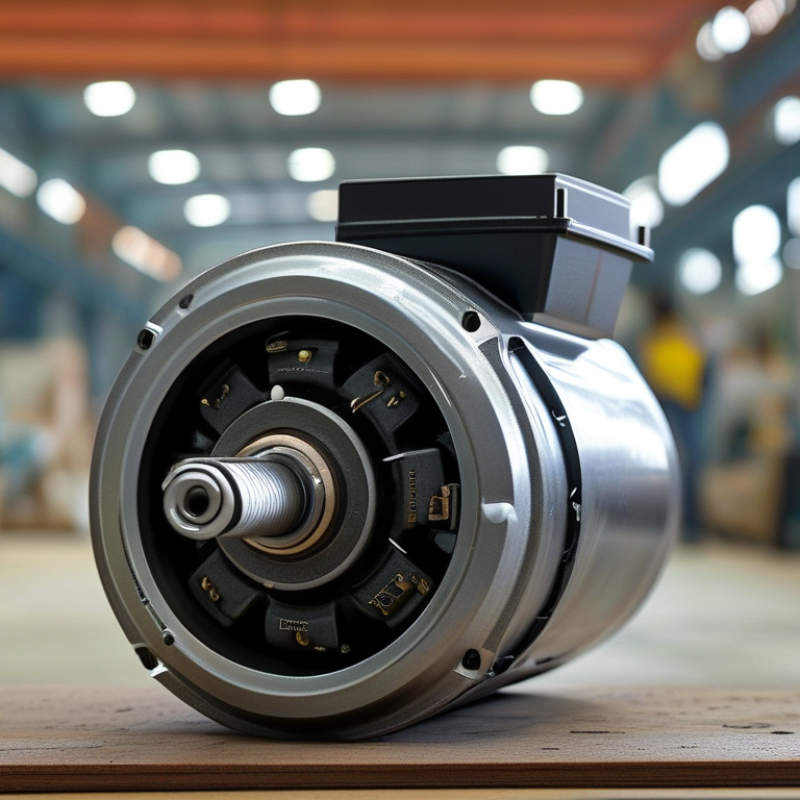
The landscape of AC electric motors is evolving rapidly as we approach 2026. Manufacturers are focusing on energy efficiency and performance. The shift toward renewable energy sources drives this change. Increasingly, motors will utilize advanced materials for lighter, stronger designs. This makes them more efficient in various applications, from industrial use to home appliances.
Another significant trend is the integration of smart technologies. Many motors will feature connectivity options for better control and monitoring. This allows for predictive maintenance, which minimizes downtime. However, not all manufacturers are ready for this shift. Some may struggle with the costs of new technologies. In this competitive market, brands must stay relevant or risk falling behind.
Sustainability concerns are also shaping the future of electric motors. Companies are exploring eco-friendly manufacturing processes. This includes recycling materials and reducing carbon footprints. However, challenges remain. The transition can be costly and complex. Buyers should consider these factors when choosing motors in 2026.
Key Features to Consider When Choosing AC Electric Motors
When selecting AC electric motors, several key features are paramount.
Efficiency, for instance, plays a crucial role.
In 2025, the global market for electric motors is expected to reach approximately $168 billion,
with a significant push towards efficiency. Motors with high efficiency ratings can lower energy consumption substantially,
resulting in lower operational costs. Industry reports show that upon optimizing efficiency,
businesses may reduce energy expenses by up to 30%.
Torque is another important feature. It defines a motor's ability to start and run loads efficiently.
Large-scale applications, like manufacturing plants, benefit from motors designed for high torque output.
The average torque requirements for industrial motors can vary widely, necessitating tailored solutions for specific applications.
Miscalculating torque needs can lead to operational inefficiencies and equipment damage.
Durability and maintenance also require attention. AC motors often endure harsh conditions,
and understanding their material construction can prevent unexpected breakdowns.
An estimated 20% of motor failures are attributed to inadequate maintenance and improper selection.
Adopting predictive maintenance strategies could avert these issues and extend the motor's lifespan substantially.
Addressing these elements critically influences the choice of AC electric motors in upcoming years.
Top 10 AC Electric Motors: Performance Comparison and Reviews
When exploring AC electric motors in 2026, performance is key. Various reports indicate that efficiency is a growing concern, with motor efficiency ratings expected to increase by 10% over the next few years. This trend is driven by increased global demand for energy-saving solutions. Moreover, about 30% of industrial energy consumption is attributed to electric motors, highlighting their impact.
The performance of AC motors is often measured using torque and speed. Recent data shows that high-efficiency models deliver superior torque control while minimizing energy costs. Compact designs are becoming popular as manufacturers strive for more power in smaller units. Interestingly, some of these advanced models can operate at lower temperatures, thereby enhancing reliability.
However, not all models meet expectations. Some options lack durability or produce excessive noise. Moreover, customers may find themselves overwhelmed by choices. Comprehensive reviews emphasize the importance of considering application-specific needs. A careful analysis can lead to better investment and operational efficiency.
Market Leaders in AC Electric Motors: A Global Overview
The AC electric motors market is evolving rapidly. As technology advances, various industries are leaning towards efficient and reliable motor solutions. The focus is on energy efficiency, cost-effectiveness, and sustainability. Leading manufacturers are making strides in producing innovative designs to meet diverse needs.
Tips: When selecting an AC motor, consider efficiency ratings. Higher efficiency often results in lower operating costs. Pay attention to voltage and speed requirements. This can prevent performance issues. Additionally, explore options for customization. Tailored solutions can enhance overall functionality.
Market leaders in AC electric motors often focus on key performance metrics. They invest in research and development. This commitment ensures they stay ahead in technology. However, not all companies offer the same level of reliability. It's crucial to research thoroughly before making decisions. Compare different manufacturers and their offerings.
Another important consideration is maintenance. Electric motors require regular upkeep. Understanding maintenance needs can extend motor life. Neglecting this aspect could lead to unexpected failures. It’s advisable to establish a consistent maintenance schedule to avoid disruptions in operations.
Future Innovations in AC Electric Motor Technology
The AC electric motor industry is on the brink of major innovations by 2026. Recent reports indicate a growth rate of over 6% in global demand for electric motors. This expansion is driven by the shift toward sustainable energy solutions. As industries embrace automation and efficiency, the design of AC electric motors adapts to these needs.
One significant trend is the development of smart motors. These motors feature integrated sensors for real-time monitoring. This allows for optimal performance based on operational conditions. Research shows that motors equipped with IoT capabilities can improve energy efficiency by up to 20%. However, implementing these technologies raises questions about cost and accessibility for smaller manufacturers.
Another area of focus is improving materials for electric motors. Innovations in lightweight composites can enhance performance and reduce energy consumption. Studies suggest that using advanced materials can lower production costs while increasing lifespan. But, transitioning to these materials poses challenges, particularly in terms of scalability and durability. As we approach 2026, balancing innovation with practical application will be crucial for industry leaders.