Top 10 Air Compressor Options for Every Budget?
Air compressors have become essential tools in various industries, including construction, automotive, and manufacturing. According to a report by Research and Markets, the global air compressor market is anticipated to reach $41.24 billion by 2027, growing at a CAGR of 4.5%. This trend highlights the increasing demand for efficient and reliable air compression solutions.
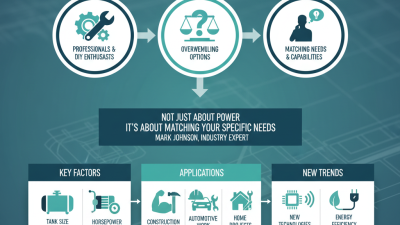
With a range of options available, selecting the right air compressor can be overwhelming. Budgets vary significantly, and understanding these differences is crucial for optimal performance. Factors such as power requirements and portability further complicate the selection process.
Reflecting on this, many users find themselves puzzled by the sheer variety of choices. Certain models may excel in energy efficiency, while others may compromise on durability. It's vital for consumers to analyze their specific needs to avoid mistakes that could lead to costly regrets. Exploring the top 10 air compressor options for every budget can guide users toward informed decisions, ensuring they invest wisely in this indispensable equipment.
Understanding Air Compressors: Types and Uses
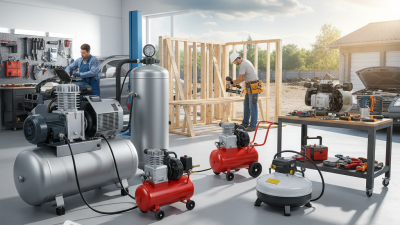
Air compressors are essential tools in various industries. Understanding their types and uses is key to selecting the right one. There are mainly two categories: positive displacement and dynamic air compressors. Positive displacement compressors, such as reciprocating compressors, are common in smaller applications. They are efficient for powering nail guns or inflating tires. According to a recent study, these compressors can maintain higher pressure levels, making them suitable for more intense tasks.
On the other hand, dynamic compressors like centrifugal models serve larger operations. They provide high volume air at steady pressure, ideal for applications like spray painting or industrial machinery operation. The compressed air market is projected to grow by 4.5% annually, emphasizing the need for understanding these tools in a professional setting.
However, choosing the wrong type can lead to operational inefficiencies and increased costs. Users often overlook the nuances in air pressure and flow rate. Recognizing the specific needs of your tasks is crucial, as it's easy to misinterpret operational demands. Each application may require a different setup, and without proper knowledge, investments could fall short of expectations.
Factors to Consider When Choosing an Air Compressor
When choosing an air compressor, consider its intended use. Different tasks require different air pressures and volumes. For basic tasks like inflating tires, a small, portable model may suffice. However, for power tools or painting, more robust options are necessary. Pay attention to the compressor’s PSI (pounds per square inch) and CFM (cubic feet per minute) ratings. These figures will influence its performance and efficiency.
Look at the tank size carefully. A larger tank can store more air, allowing for longer usage periods without needing to refill frequently. However, larger tanks mean heavier units. If portability is a priority, a compact model might be better. Noise levels are another important factor. Some compressors can be quite loud, which can be a concern in residential areas.
Energy efficiency is also crucial. Some compressors consume more power than others. This not only affects your electricity bill but also your project's overall sustainability. Reflect on your long-term needs—an undersized unit might lead to frustrations and interrupted work time. Make informed decisions by weighing these factors. Proper research will lead to a compressor that truly meets your demands.
Top 10 Air Compressor Options for Every Budget
| Model |
Type |
Max PSI |
Tank Size (Gallons) |
Power Source |
Price (USD) |
| Air Compressor A |
Portable |
150 |
6 |
Electric |
200 |
| Air Compressor B |
Stationary |
120 |
20 |
Gas |
500 |
| Air Compressor C |
Oil-Free |
100 |
1.5 |
Electric |
150 |
| Air Compressor D |
Portable |
135 |
4 |
Electric |
250 |
| Air Compressor E |
Dual-Stage |
175 |
10 |
Gas |
750 |
| Air Compressor F |
Electric |
90 |
3 |
Electric |
120 |
| Air Compressor G |
Oil-Injected |
150 |
30 |
Electric |
950 |
| Air Compressor H |
Twin-Stack |
140 |
4 |
Electric |
300 |
| Air Compressor I |
Single-Stage |
110 |
6 |
Electric |
220 |
| Air Compressor J |
High-Pressure |
200 |
7 |
Electric |
600 |
Top Budget-Friendly Air Compressors for Home Use
When selecting a budget-friendly air compressor for home use, several factors come into play. The ideal model should align with both your needs and wallet. Reports from the Air Compressors Manufacturers Association indicate that homeowners often seek compressors that balance power and affordability. A solid option operates effectively at around 2-6 CFM (cubic feet per minute), which suits many typical applications around the house.
Consider the versatility of the air compressor you choose. Ensure it can handle tasks like inflating tires, powering pneumatic tools, and even painting. Many affordable units come equipped with features designed to enhance usability, such as onboard storage for accessories.
**Tips:** Look for compressors with a minimum of 1 to 2 HP (horsepower). Many models in this range offer reliable performance without a hefty price tag. Also, noise levels can be a concern. Aim for compressors operating around 60 to 75 dB for a quieter experience. While cheaper models tend to save you money, it's essential to consider durability. Evaluate user reviews and focus on models that perform well over time. Exploring these options can lead you to the right compressor that meets your needs and your budget effectively.
Top 10 Air Compressor Options for Every Budget
Mid-Range Air Compressors: Balancing Price and Performance
Mid-range air compressors offer an ideal balance between
price and performance.
According to industry data, these units typically cost between $200 and $600.
This price range appeals to both homeowners and small businesses. They provide sufficient power for most
DIY projects and light commercial tasks. The versatility of mid-range models makes
them suitable for inflating tires, powering pneumatic tools, and running airbrushes.
When choosing a mid-range air compressor, consider the CFM (cubic feet per minute)
rating. This metric indicates how much air the compressor delivers. A higher CFM means more power for your tools.
For example, many hobby compressors deliver about 2-4 CFM, which suffices for smaller tools. However,
if you're using larger pneumatic equipment, look for models that provide at least 5 CFM.
Tips: Regular maintenance can enhance performance. Check the air filters
every month to ensure optimal airflow. Additionally, consider noise levels.
Some compressors operate quietly, while others can be quite loud. If your workspace is small, noise might be a
significant factor. Lastly, weigh the trade-offs between portability and tank size. Smaller tanks are easier to move
but may require more frequent cycling.
High-End Air Compressors: Premium Features and Benefits
High-end air compressors are designed to offer premium features and benefits that can significantly enhance performance in various applications. According to industry reports, these models typically boast higher psi levels and larger tank capacities. This means they can power multiple tools simultaneously, making them ideal for professional settings. The durability and longevity of these compressors often justify their higher price points.
While the investment may be substantial, many users find that premium compressors lead to increased efficiency. They can reduce downtime by delivering reliable air pressure without fluctuations. For instance, a model with a consistent output can operate at up to 90 CFM, lending itself well to demanding projects. However, not every professional may need such high capabilities. This can lead to over-investment in features that, while appealing, may never be fully utilized.
Additional considerations include portability and noise levels. Some high-end models take up significant space. They may generate noise levels that are uncomfortable for prolonged use in residential areas. Thus, it's vital for users to align their specific needs with the capabilities offered by high-end compressors. Balancing features with practical requirements can help avoid unnecessary complexities.