Top 10 Electric Motor Types Every Buyer Should Know?
The electric motor industry is evolving rapidly. According to a report from the International Electrotechnical Commission, global electric motor sales are projected to exceed 645 million units by 2027. This growth reflects the increasing demand for efficient and sustainable energy solutions. As industries strive for greener alternatives, understanding various types of electric motors becomes critical.
Experts agree on the importance of this knowledge. Dr. Emily Thompson, a recognized authority in electric motor technology, states, “Choosing the right electric motor type can significantly enhance both efficiency and performance.” With numerous options available, including AC and DC motors, each has its unique advantages and applications.
Navigating this landscape can be daunting for buyers. Some may overlook crucial factors, leading to suboptimal choices. Understanding the distinct characteristics of each electric motor type is essential for informed decision-making. As technology advances, the need for reliable, high-performance electric motors will only grow more pressing, emphasizing the need for continuous education in this vital field.
Understanding Electric Motors: An Overview
Electric motors play a pivotal role in numerous applications, making their understanding essential for potential buyers. An electric motor converts electrical energy into mechanical energy, and there are different types to suit various needs. Recognizing these types is crucial. Each motor type has unique characteristics that influence efficiency, cost, and effectiveness.
When selecting an electric motor, consider the environment. Some motors perform better in harsh conditions. Others are designed for quiet operation, ideal for residential spaces. Efficiency is key; more efficient motors may cost more upfront but save money in the long run. Do research on power consumption ratings before purchasing.
TIPS: Always assess your specific needs. This helps in choosing the right motor type. Don't overlook maintenance requirements either; some motors demand regular upkeep. Lastly, educate yourself about installation processes. Improper installation can lead to early failures. Understanding your options fully ensures a wise investment.
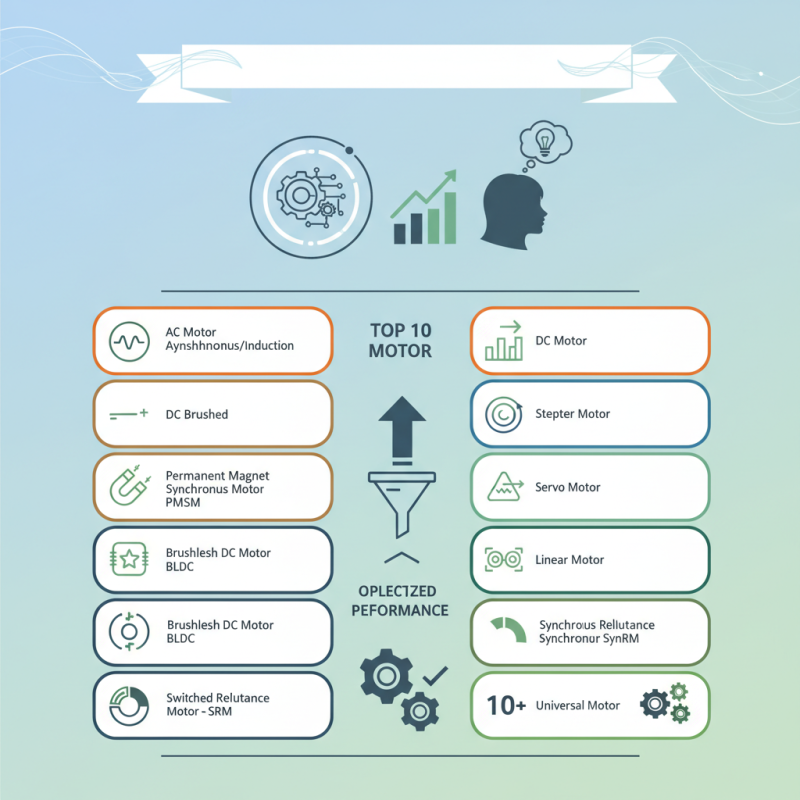
Top 10 Electric Motor Types Every Buyer Should Know
Types of Electric Motors: Key Characteristics and Applications
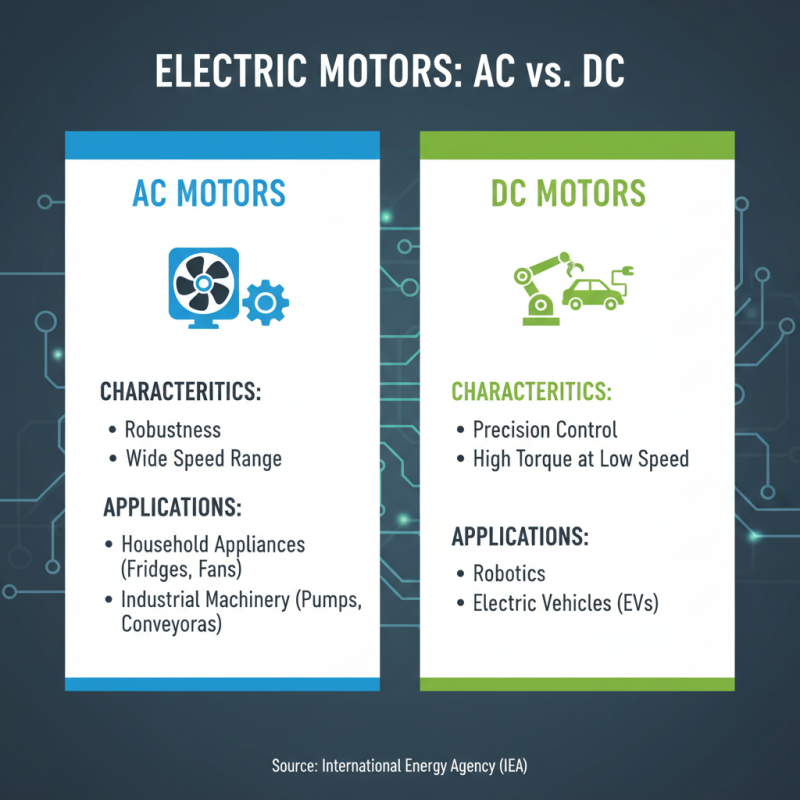
When exploring electric motor types, understanding their characteristics is crucial for informed decisions. For example, AC motors are widely used due to their robustness. They perform well in various applications, from household appliances to industrial machinery. According to a report by the International Energy Agency (IEA), DC motors are preferred for precision control. These motors are efficient for robotics and electric vehicles.
Brushless DC motors offer significant advantages, particularly in energy efficiency and longevity. A study by the Electric Power Research Institute highlights that these motors can reduce energy consumption by up to 30%. Gear motors are another key type, commonly used in conveyor systems. Their compact design allows high torque in limited spaces, making them indispensable in manufacturing.
However, selecting the correct motor doesn't come without challenges. Users often overlook the need for specific torque and speed requirements. Miscalculations can lead to equipment failure or inefficiencies. Continuous advancements in motor technology present new options, but they also require buyers to stay updated. Balancing cost and performance remains a delicate task. Understanding these nuances is vital for optimal motor selection.
AC Motors vs. DC Motors: Differences and Use Cases
In the realm of electric motors, the choice between AC and DC motors is crucial. AC motors are widely used for their durability and high efficiency. According to industry data, they constitute about 60% of the global electric motor market. These motors excel in applications requiring constant speed, such as fans and pumps. Their simplicity and low maintenance requirements make them appealing for many industrial operations.
On the other hand, DC motors are preferred for applications needing precise speed control. They are found in everything from electric vehicles to robotics. Research shows that the DC motor market is projected to grow by 8% annually through 2027. However, they often require more maintenance and can be less efficient than AC counterparts. The choice isn't always clear-cut. Potential buyers must weigh factors like application requirements and long-term costs. Balancing these variables can be challenging, but it is essential for making an informed decision.
Top 10 Electric Motor Types Every Buyer Should Know - AC Motors vs. DC Motors: Differences and Use Cases
| Motor Type |
Current Type |
Efficiency |
Common Applications |
Advantages |
Disadvantages |
| AC Induction Motor |
AC |
High |
Pumps, Fans |
Rugged Construction |
Lower Starting Torque |
| DC Brushed Motor |
DC |
Moderate |
Robots, Toys |
Simple Control |
Brush Wear |
| DC Brushless Motor |
DC |
High |
Electric Vehicles |
High Efficiency |
Higher Cost |
| Synchronous Motor |
AC |
High |
Power Plants |
Constant Speed |
Complex Control |
| Stepper Motor |
DC |
Moderate |
3D Printers |
Precise Positioning |
Limited Speed |
| Universal Motor |
AC/DC |
High |
Home Appliances |
High Starting Torque |
Noisy Operation |
| AC Series Motor |
AC |
Moderate |
Trains |
Simple Design |
Variable Speed |
| Linear Motor |
AC/DC |
High |
Elevators |
Direct Motion |
Complex Design |
| Permanent Magnet Motor |
AC/DC |
Very High |
Wind Turbines |
Compact Design |
Costly Materials |
| Torque Motor |
AC |
High |
Wind Power |
Direct Drive |
High Cost |
Common Electric Motor Types: A Detailed Breakdown
When choosing an electric motor, understanding the types is essential. Here’s a breakdown of the most common types you should consider.
AC motors are widely used in industrial applications. They operate on alternating current and require less maintenance.
DC motors, on the other hand, are great for applications needing precise speed control. They run on direct current and are often found in smaller devices like toys and fans.
Consider the steps before purchasing. Always assess your specific needs. Think about the required torque and speed. Examine the efficiency ratings carefully. Do not overlook the importance of reliability. In some cases, miscalculating these needs can lead to performance problems.
Each motor type has its own advantages and challenges. Familiarize yourself with common terms like RPM (revolutions per minute) and torque. This knowledge will empower you to make informed decisions. Ask questions and seek expert advice when necessary.
Factors to Consider When Choosing an Electric Motor
Choosing the right electric motor can be daunting due to the variety available. Understanding factors like power requirements, efficiency, and application is crucial. Consider how much torque and speed you need. These elements directly affect the motor's performance in real applications. Pay attention to efficiency ratings, as they influence long-term operating costs. A more efficient motor saves money in the long run.
Tips: Always verify the compatibility of the motor with your existing systems. This will prevent costly modifications later. Furthermore, assess the motor's environment—temperature, humidity, and potential obstructions can impact performance.
Don’t overlook maintenance needs. Some motors require more upkeep than others. This can affect reliability. Consider the total cost and make sure it aligns with your budget, taking into account repairs and replacements. Sometimes, opting for a slightly more expensive, reliable motor pays off.