Top 10 Things You Should Know About Break Motors?
Break motors are critical components in various industries, playing a vital role in safety and precision. According to a recent report by Grand View Research, the global electric motor market is projected to exceed $250 billion by 2026. This growth is driven by the rising demand for energy-efficient systems and automation. Break motors, known for their reliability, significantly enhance safety in industrial operations.
These motors operate on a simple principle: they stop the machinery effectively when required. In a study conducted by the International Electrotechnical Commission, it was highlighted that improper use of break motors can lead to accidents. The choice of a break motor impacts not only operational efficiency but also overall equipment lifespan.
Understanding the nuances of break motors is essential for engineers and operators alike. The complexities in selecting the right specifications are often overlooked. With greater market demands, there is an ongoing need for better training and knowledge sharing in this field. Prioritizing awareness about break motors can prevent costly operational failures. Hence, exploring the top ten crucial aspects of break motors becomes imperative.
Understanding Break Motors: Definition and Functionality
Break motors play a crucial role in various industrial and automotive applications. They are designed to stop moving equipment effectively and safely. Understanding their functionality helps users make informed decisions regarding machinery.
These motors operate by using electromagnetic brakes. When power is cut, the brake engages immediately. This feature is essential for safety, preventing accidents. Many machines rely on break motors for emergency stops. Their quick response can mitigate risks associated with sudden shutdowns.
However, not all break motors are created equal. Users often face challenges related to wear and tear. Over time, brake components can degrade, affecting performance. Regular maintenance is vital for ensuring their reliability. Industry professionals urge users to monitor these motors closely. Awareness of potential issues can lead to safer operations.
Key Components of Break Motors: A Detailed Overview
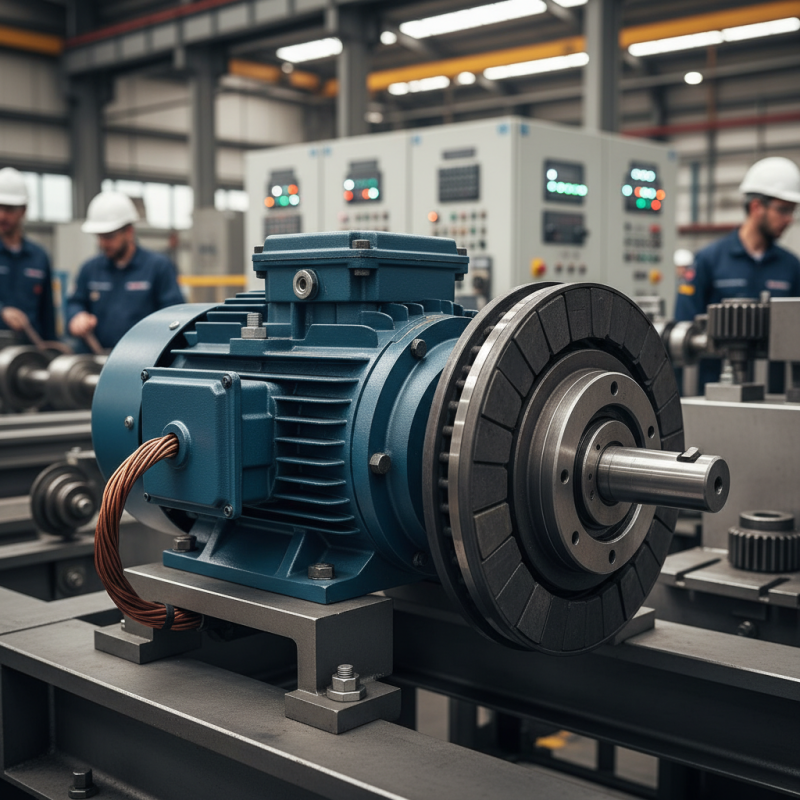
Break motors are vital for various industrial applications, providing controlled stopping mechanisms for machinery. They consist of key components that work together to ensure efficiency and reliability. The main components include the motor itself, brake assemblies, control systems, and housing structures. Each of these parts plays a crucial role in the motor's performance and durability.
The motor is typically powered by electricity and can vary in size and type depending on its application. Brake assemblies can come in several forms, including electromagnetic and hydraulic brakes. According to industry reports, about 45% of motor failures can be traced back to issues with the brake components. It's essential to conduct regular maintenance checks to prevent these failures. Control systems are integrated to enhance precision in stopping actions, ensuring safety and operational accuracy.
Housing structures serve as protective enclosures for the internal components. They must be designed to withstand environmental factors such as dust and moisture. Failures due to inadequate housing are not uncommon. In some instances, more than 30% of operational downtime is attributed to environmental damage to motors. Understanding the significance of these components can lead to better maintenance strategies and improved lifecycle management of break motors.
Top 10 Things You Should Know About Break Motors
Common Applications of Break Motors in Various Industries
Break motors play a crucial role across various industries. Common applications include material handling, conveyor systems, and industrial machinery. Reports indicate that over 25% of the break motors in use globally are found in the manufacturing sector alone. This percentage reflects a growing reliance on these motors to enhance operational efficiency.
In logistics, break motors are essential for automated sorting systems. These systems can process thousands of packages per hour. According to industry analyses, companies using break motors in these applications experience a 15% improvement in throughput. However, the complexity of these systems can lead to maintenance challenges. Regular checks and updates are necessary to ensure smooth operation.
In sectors such as mining and construction, break motors power heavy equipment. They assist in controlling speed and torque, which are vital in rugged environments. However, not all break motors perform equally under stress. Some fail to meet expected standards, leading to downtime. This reinforces the need for rigorous testing and quality assurance in the procurement process.
Factors Influencing the Performance of Break Motors
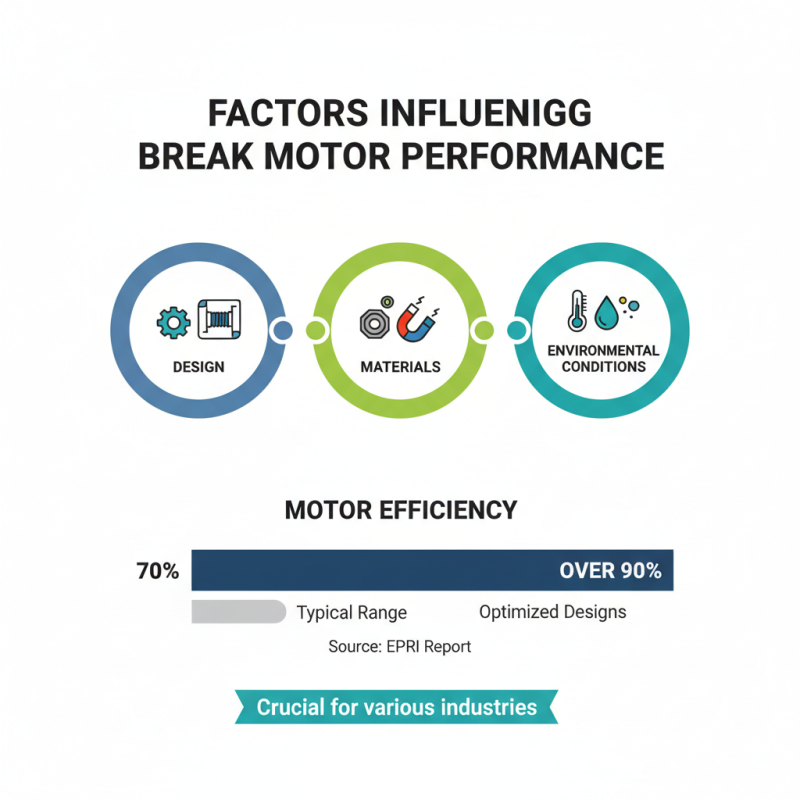
Break motors play a crucial role in various industries. Their performance is influenced by several key factors, including design, materials, and environmental conditions. One significant aspect is the motor's efficiency. According to a report by the Electric Power Research Institute (EPRI), the efficiency of break motors can vary widely. This variation can range from 70% to over 90%, depending on the application and design.
Another factor is the quality of materials used in manufacturing. High-grade materials can enhance durability and reduce wear. A study by the International Journal of Engineering Research showed that using premium steel in motor construction can lead to a decrease in energy loss by up to 15%. Furthermore, environmental factors like temperature and humidity can also affect performance. Motors operating in extreme conditions may experience reduced efficiency and increased maintenance needs.
It's essential to recognize that not all break motors are created equal. The design intricacies significantly impact their overall performance and lifespan. In some cases, choosing the right motor for a specific application can prove challenging. This challenge requires a detailed analysis of operational requirements and environmental factors. As the industry continues evolving, ongoing research will be necessary to refine motor designs for better efficiency.
Maintenance Tips for Ensuring Longevity of Break Motors
Maintaining breake motors is crucial for optimal performance. Regular inspections and maintenance can prolong their lifespan. Industry data shows that properly maintained motors can last up to 30% longer than those neglected. Key maintenance tips include checking the alignment and tightening the mounts. Misalignment can lead to excessive wear and tear.
Monitoring the operating temperature is essential. Consistent temperature spikes may indicate underlying issues. Ideally, the motor should operate within a range of 40°C to 60°C. Overheating can lead to insulation failure. It’s also advisable to clean dust and debris regularly. A clean motor runs cooler and operates more efficiently.
Lubrication plays a critical role as well. Many motors use sealed bearings, but periodic checks are still necessary. Lack of lubrication can increase friction and wear. It’s a good practice to follow the manufacturer's guidelines for oil types and intervals. Many overlook this, thinking sealed components don't need attention. Regular maintenance and awareness can lead to significant cost savings and improved motor reliability.
Top 10 Things You Should Know About Break Motors
| Aspect |
Details |
| Types of Break Motors |
AC Motors, DC Motors, Brake Torque Motors |
| Common Applications |
Industrial machines, elevators, conveyor systems |
| Importance of Maintenance |
Prevents unexpected failures and extends lifespan |
| Recommended Maintenance Frequency |
Every 3 to 6 months, depending on usage |
| Key Maintenance Tasks |
Lubrication, inspection, cleaning |
| Signs of Wear |
Increased noise, overheating, reduced performance |
| Safety Precautions |
Disconnect power, use proper tools, wear safety gear |
| Troubleshooting Tips |
Check connections, test voltage, inspect for damage |
| Future Trends |
Integration with IoT, predictive maintenance technologies |
| Cost Considerations |
Initial investment, maintenance costs, operational efficiency |