2026 How to Choose the Best Aluminum Motor for Your Needs?
Choosing the right Aluminum Motor can greatly impact your projects. These motors are known for their lightweight nature and durability. However, selecting the best one is not always straightforward.
Consider your specific needs. Different applications require different specifications. A motor designed for high-speed operation may not be suitable for heavy torque. It’s crucial to analyze the expected load and speed. Ensure you know the environment where the motor will be used. Corrosive atmospheres can affect performance.
Evaluate brands carefully. Established manufacturers offer warranties and customer support. User reviews can provide insight into reliability and performance. Keep in mind that the cheapest option is not always the best choice. Investing in a quality Aluminum Motor can lead to better long-term results.
Understanding the Different Types of Aluminum Motors Available
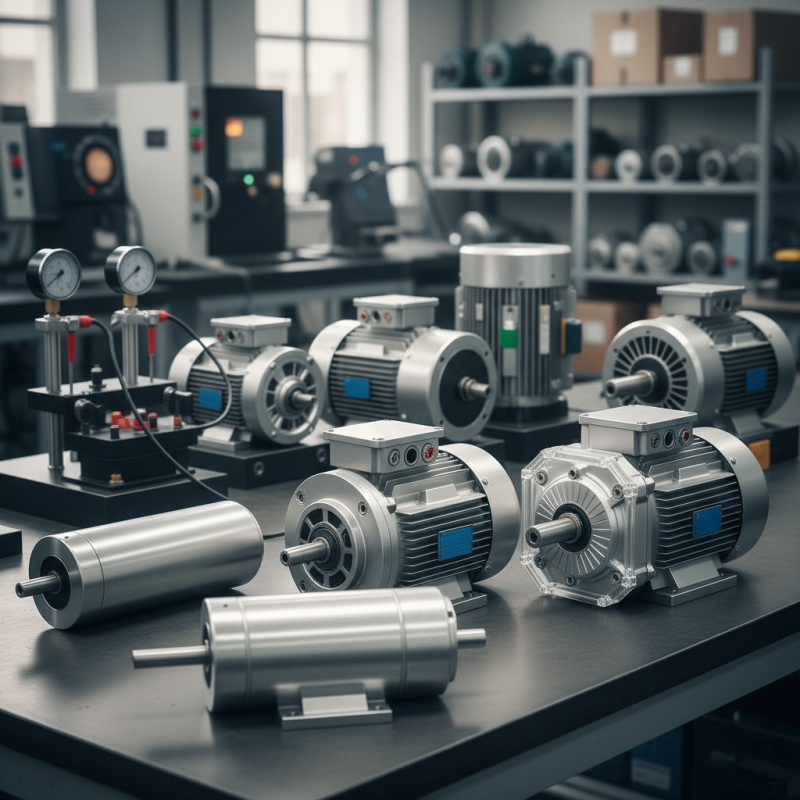
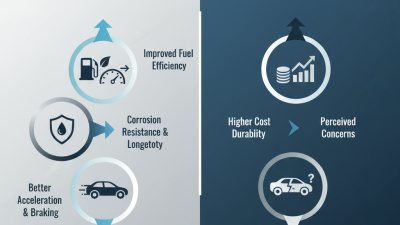
When selecting an aluminum motor, understanding the different types available is crucial. Aluminum motors are known for their lightweight and corrosion-resistant properties. There are reliable data points illustrating that they are often preferred in various applications, particularly in marine and automotive sectors. Research shows that aluminum motors exhibit up to 10% higher efficiency compared to their steel counterparts. This can lead to significant energy savings in the long run.
Aluminum motors typically fall into several categories. Standard induction motors represent a primary choice. These motors are robust and efficient but can be heavy. In contrast, brushless DC motors offer lighter alternatives with superior torque characteristics. Specialized designs like servo motors bring precision control, but they can be more complex and costly. Understanding your specific needs will help in the decision-making process.
Comfortably balancing cost and performance is essential. For instance, a lightweight motor may reduce load but at a higher initial investment. Some applications may not justify the expense of a specialized motor type. Moreover, compatibility with existing systems can also complicate selections. Thoroughly evaluating these factors ensures a more informed choice in aluminum motors.
Evaluating the Key Specifications of Aluminum Motors
When choosing an aluminum motor, understanding key specifications is crucial.
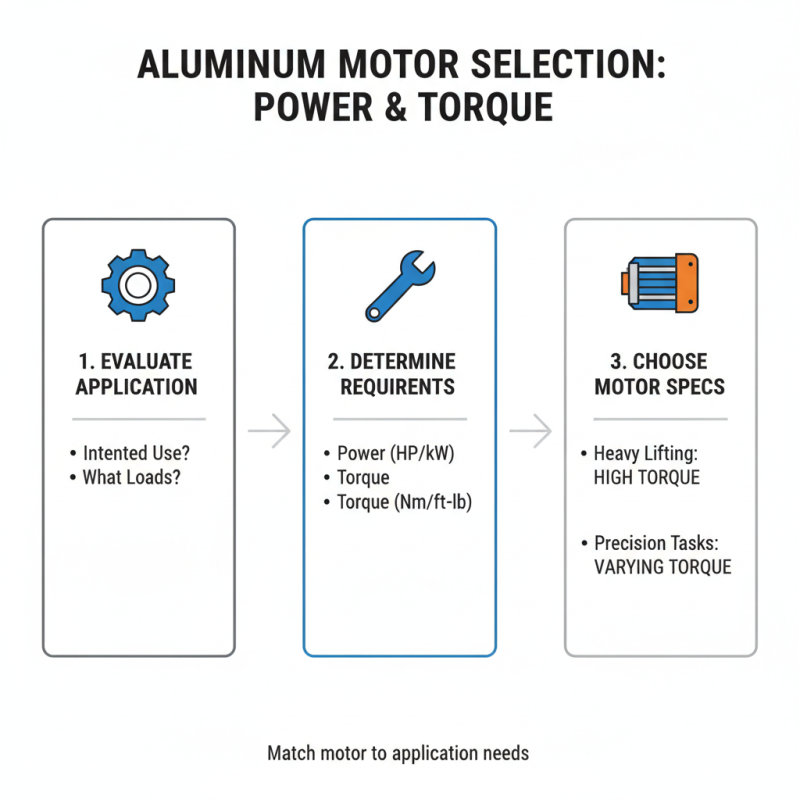
Start by considering the motor's power rating. This determines how much work the motor can do.
Look for motors with adequate torque ratings for your application.
High torque is vital for heavy loads and demanding tasks.
Another important aspect is the motor’s efficiency.
Efficient motors save energy and reduce operating costs. Check the energy rating of the aluminum motor.
A higher rating ensures better performance over time. However, remember that higher efficiency models might come with a higher upfront cost.
Reflect on your budget and long-term savings.
Tip: Always read user reviews and feedback. This provides insights into the motor’s real-world performance.
Consider the environment in which the motor will operate.
Factors like temperature and humidity can impact motor life.
Tip: Don’t overlook size and weight. An overly heavy motor can complicate installation and use.
Contemplate how these specifications align with your specific needs.
Balancing power, efficiency, and size is key to making the right choice.
Assessing Environmental and Application Considerations
When assessing environmental and application considerations for aluminum motors, it’s vital to understand the specific needs of your project. Research shows that energy efficiency is a key factor. Aluminum motors can achieve up to 95% efficiency, reducing operational costs and carbon footprints. Moreover, they are lightweight and corrosion-resistant, making them suitable for diverse environments, including marine and industrial settings.
Tips: Always evaluate the motor's thermal management capabilities. This can significantly influence performance and longevity.
It's essential to consider load requirements too. An underpowered motor may overheat, while an oversized one could waste energy. Selecting the right horsepower requires careful measurement of application demands. According to industry reports, nearly 30% of motor failures are linked to improper sizing.
Tips: Regularly review performance data. Keeping track of operational specifics ensures the motor meets ongoing needs. Aim for motors with adjustable speed features; flexibility can optimize efficiency in varying conditions.
Incorporating this knowledge can lead to more effective choices, aligning with environmental goals and application requirements. The decision to choose the right aluminum motor should consider both current and future demands.
Comparing Cost-Effectiveness and Maintenance Needs
When selecting an aluminum motor, cost-effectiveness and maintenance requirements are crucial factors. According to a report by the International Energy Agency, aluminum motors generally have lower installation costs compared to traditional materials. This can lead to significant savings, especially for large-scale operations. In many cases, the total lifecycle costs can be reduced by as much as 30% through the use of lightweight aluminum motors.
Maintenance is another vital consideration. Aluminum motors typically require less frequent upkeep, which helps to minimize downtime. A study conducted by the Electric Power Research Institute states that aluminum motors have a corrosion resistance that extends their lifespan. However, proper maintenance is essential. Overlooking routine checks can lead to performance issues. The initial ease of maintenance may encourage neglect, resulting in unexpected costs.
Choosing the right motor also involves considering energy efficiency. The U.S. Department of Energy highlights that high-efficiency aluminum motors can provide energy savings of 5-10% over standard motors. While the upfront cost may be slightly higher, the return on investment becomes evident over time. However, users must assess their specific operational needs to ensure the best fit. Each choice comes with trade-offs, and understanding these nuances is key to making an informed decision.