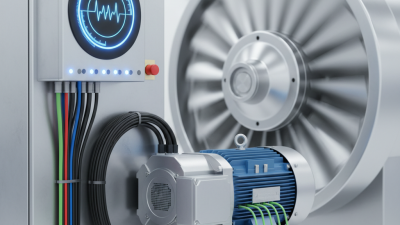
Top Cast Iron Motor Manufacturers for Global Buyers?
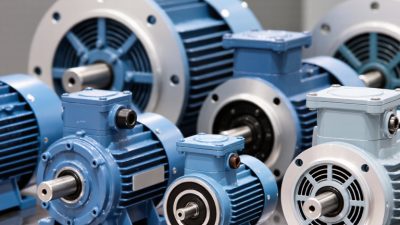
Global buyers are reassessing the Cast Iron Motor market as factories pursue efficiency, durability, and predictable maintenance. The International Energy Agency estimates that electric motor systems use roughly 50% of global electricity. Its analysis also identifies motor-driven equipment as a major energy-saving opportunity. These figures explain why motor selection deserves more than a price comparison.
Paul Waide, an energy-efficiency specialist and former IEA analyst, stated, “Electric motor systems consume more electricity than any other end-use.” His observation remains highly relevant for manufacturers, distributors, and industrial buyers. The U.S. Department of Energy’s motor-system assessments similarly show that correctly sized motors can reduce operating losses across pumps, fans, compressors, and conveyors.
Performance starts with the details.
A reliable Cast Iron Motor should match the load profile, duty cycle, enclosure rating, insulation class, and installation environment. Buyers should also verify IEC 60034 compliance, efficiency classification, bearing design, coating quality, and documented factory testing. IE3 or IE4 efficiency may reduce lifetime energy costs, although the best choice depends on operating hours and local electricity prices.
Cast iron housings offer useful vibration control and mechanical strength. They are not automatically superior in every environment. Corrosive sites, frequent washdowns, and weight restrictions may require different materials or protection levels. That is where many purchasing guides oversimplify the decision.
This overview compares leading Cast Iron Motor manufacturers by engineering capability, production consistency, certifications, service coverage, and buyer experience. Market data can vary by region and research method. Therefore, readers should treat rankings as practical guidance, not an absolute verdict. A careful specification review still matters most.
What Defines a High-Quality Cast Iron Motor Manufacturer?
A high-quality cast iron motor manufacturer proves performance beyond a polished catalogue. The International Energy Agency has reported that electric motor systems consume about 46% of global electricity. Small efficiency losses therefore become expensive across thousands of operating hours.
Material control is the starting point.
A reliable producer should specify cast iron grade, wall thickness, and machining tolerances. The frame should feel dense, with clean foot surfaces and no porous casting marks. Inside, sealed bearings, balanced rotors, and carefully positioned windings reduce vibration and heat. IEC 60034-30-1 provides the recognised IE efficiency framework, while IEC 60034 standards guide motor testing and performance claims. Ask for test records, not promises.
Testing separates engineering from sales language.
A serious factory can provide winding-resistance checks, high-voltage tests, vibration readings, temperature-rise results, and efficiency data for each production batch. The U.S. Department of Energy’s Motor Systems Market Assessment identifies motor-driven systems as responsible for roughly 23% of U.S. electricity use. That makes credible efficiency evidence commercially important.
Service quality matters too.
Can the manufacturer explain bearing life, paint protection, spare-part availability, and repair limits? Global buyers should inspect sample motors before approving a large order. One overlooked detail can undermine an otherwise strong design. Even experienced teams sometimes trust brochures too quickly. That deserves a second look.
Core Manufacturing Technologies and Product Capabilities
Selecting a cast iron motor manufacturer requires more than comparing catalog prices. Core capability begins with stable casting control. Manufacturers may use resin-sand or shell molds for dense housings with consistent wall thickness. Proper melting temperature matters. It affects porosity, strength, and machining accuracy. Ductile iron can improve impact resistance, while gray iron often supports vibration damping. Buyers should request material grades, heat-treatment records, and sample inspection data. These documents reveal process discipline better than polished brochures.
Modern production combines CNC machining with calibrated measurement systems. Bearing seats, shaft fits, and mounting faces need tight tolerances. Small errors can create noise, heat, or premature bearing wear. Dynamic balancing reduces rotor vibration at operating speed. Automated winding equipment improves coil placement and repeatability. Vacuum pressure impregnation can strengthen insulation. The selected method should match voltage, temperature rise, and duty cycle. Reliable factories also perform resistance, no-load current, vibration, temperature-rise, and load tests. Independent verification is useful for large orders.
Product capability is equally important. A qualified factory should support multiple frame sizes, power ratings, voltages, frequencies, enclosure levels, and mounting arrangements. Custom shafts, brakes, encoders, or terminal boxes may suit specialized equipment. Ask about spare parts and traceability. That detail matters. No supplier is perfect. One factory may offer excellent casting but limited testing flexibility. Another may machine well yet struggle with short lead times. Compare real test reports, applicable standards, and inspection records. When practical, a factory visit can reveal uneven housekeeping or an unclear inspection flow. Small signs deserve attention.
Cast Iron Motor Manufacturing Capability: IEC Efficiency Classes
This chart shows the minimum rated efficiencies defined by IEC 60034-30-1 for 4-pole, 75 kW low-voltage motors. Cast-iron motor platforms commonly support multiple IEC efficiency classes, with higher classes requiring more advanced electromagnetic design, tighter manufacturing tolerances, and improved thermal management.
Leading Cast Iron Motor Manufacturers by Global Market
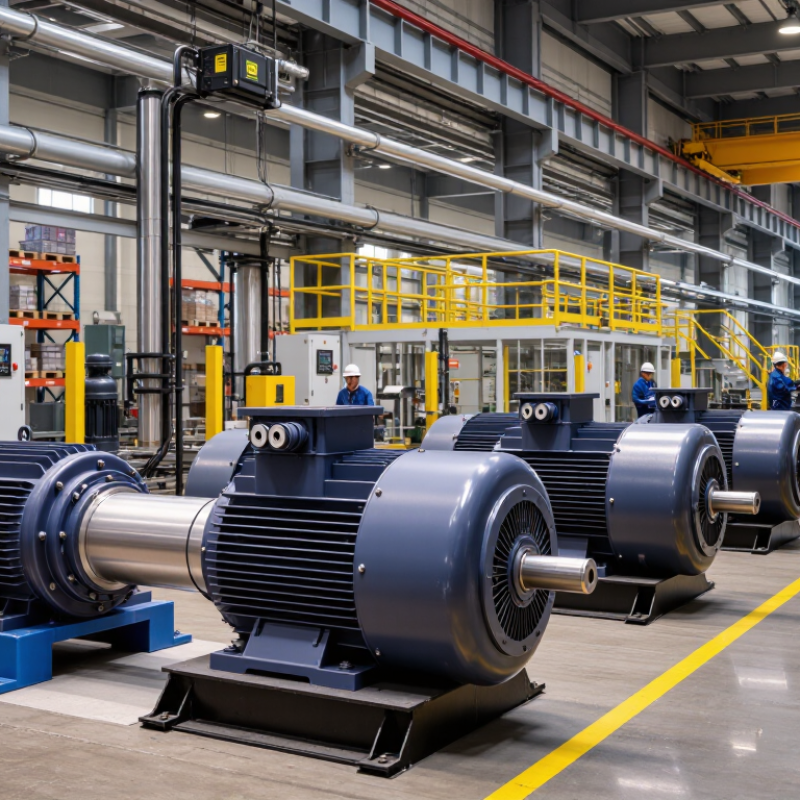
Leading cast iron motor manufacturers by global market are judged by more than production volume. They support demanding applications in pumps, compressors, conveyors, and industrial fans. Strong manufacturers usually offer cast iron frames, high-efficiency designs, and enclosure options for dusty or humid sites. Their motors should meet recognized international standards and provide clear test documentation. The details matter.
Market leaders also build dependable supply networks across Europe, Asia, North America, and emerging industrial regions. Buyers often compare delivery times, spare-part access, warranty terms, and local technical support. A serious manufacturer can provide winding data, bearing specifications, efficiency curves, and traceable quality records. Factory testing may include insulation resistance, vibration checks, temperature rise, and load performance. These steps reduce unpleasant surprises after installation.
Still, no supplier is perfect. Some catalogs appear impressive but provide limited evidence for customized operating conditions. A 75-kilowatt motor may perform well in a clean workshop yet struggle near dust, heat, or frequent starts. Experienced buyers should request installation references and independent inspection reports. They should also review maintenance instructions before signing a long-term order. A practical factory audit can reveal small issues, such as weak packaging, unclear nameplates, or inconsistent coating quality. Those observations deserve attention.
How to Compare Suppliers, Certifications, and Export Services
Top Cast Iron Motor Manufacturers for Global Buyers?
Comparing cast iron motor suppliers requires more than checking price and rated power. Ask for recent test reports covering efficiency, temperature rise, vibration, insulation resistance, and noise. A reliable manufacturer should explain its test equipment and calibration schedule clearly. Request photos of the nameplate, terminal box, bearings, and protective coating. Small details often reveal production discipline.
Certifications must match the destination market and motor application. Check ISO 9001 for quality management, then verify applicable IEC, EN, UL, or other recognized requirements. Do not accept a certificate without checking its scope, validity, and issuing body. The certificate may cover a factory process, not every motor model. That distinction matters. Some buyers also require IP ratings, IE efficiency classes, or specific documentation for hazardous-area applications.
Export service can determine whether a good motor arrives in usable condition. Compare lead times, wooden-case treatment records, packing drawings, spare-part availability, and inspection options. Clarify Incoterms, payment stages, warranty response, and responsibility for damaged cargo. Ask whether the supplier can provide commercial invoices, packing lists, certificates of origin, and test documents accurately. I once focused too heavily on unit cost and underestimated communication delays. That was a costly lesson. A supplier that answers quickly but vaguely still deserves caution. Use a comparison sheet, record every promise, and request a sample inspection before placing a large order.
Key Factors for Selecting the Right International Manufacturer
For global buyers, choosing a cast iron motor manufacturer requires more than comparing purchase prices. The IEA’s Energy Efficiency 2023 report estimates that electric motor systems consume about half of global electricity. Efficiency data therefore deserves close attention. Request certified performance curves, IE efficiency-class records, and test results at 50%, 75%, and 100% load. IEC 60034-30-1 provides a useful reference for comparing motor efficiency classes.
Housing quality matters in dusty workshops, coastal plants, and outdoor installations. Check cast iron grade, surface treatment, ingress protection, insulation class, and bearing design. Ask whether the manufacturer tests vibration, temperature rise, and rotor balance on every production batch. The European Commission’s ecodesign rules also set minimum efficiency requirements for many motors entering the European market. Compliance documents must match the exact model, not a similar one.
Supply reliability can decide the real cost. Confirm voltage, frequency, mounting dimensions, shaft tolerances, customs paperwork, spare-part availability, and warranty response times. The U.S. Department of Energy’s motor-system guidance repeatedly stresses correct sizing, alignment, and maintenance. A cheap motor may waste energy for years. A polished datasheet is not proof of factory consistency. Buyers should inspect sample units, review independent test reports, and speak with two existing industrial users. I would still leave room for doubt. Even a strong supplier can disappoint during peak production.